Blog

  • Best Setting Sprays to Make Your Makeup Last All Day in 2026

    You spent 30 minutes perfecting your makeup. Your foundation is flawless, your contour is snatched, your eyeshadow is blended to perfection. And then… by 2 PM, it’s sliding off your face like it never wanted to be there in the first place.

    The fix? Setting spray. It’s the final step that locks everything in place for 8, 12, even 16+ hours. Think of it as hairspray for your face — a fine mist that creates an invisible shield over your makeup, keeping it exactly where you put it.

    We tested the most popular setting sprays through heat, humidity, long workdays, and even a few nights out to find the ones that actually deliver on their promises. Here are the best setting sprays in 2026.


    What Does Setting Spray Actually Do?

    Setting spray works by creating a thin, flexible film over your finished makeup that:

    • Prevents transfer — your makeup stays on your face, not your phone screen or shirt collar
    • Controls oil — keeps shine at bay throughout the day
    • Prevents fading — colors stay vibrant instead of dulling over hours
    • Melds layers together — makes foundation, powder, and blush look like skin instead of layers of product
    • Eliminates powdery finish — takes away that cakey, overly matte look

    Setting Spray vs. Primer: What’s the Difference?

    Primer goes on before makeup to create a smooth base and help products adhere. Setting spray goes on after to lock everything in place. They’re bookends — primer is the foundation, setting spray is the seal. For maximum longevity, use both.

    Setting Spray vs. Fixing Spray

    These terms are often used interchangeably, but technically:

    • Setting spray melds makeup layers and reduces cakiness
    • Fixing spray creates a stronger hold and is more about longevity

    Many modern products do both. Don’t stress about the semantics — focus on results.


    Matte vs. Dewy Finish: Which Should You Choose?

    This is the biggest decision when choosing a setting spray:

    Matte Finish

    • Controls shine and oil throughout the day
    • Best for oily and combination skin
    • Ideal for hot, humid climates
    • Creates a “skin” finish that photographs well
    • Pick if: You get shiny by midday or live somewhere hot

    Dewy Finish

    • Adds a luminous, healthy glow
    • Best for dry and normal skin
    • Great for winter or dry climates
    • Creates a “glass skin” or “lit from within” look
    • Pick if: You want to look radiant and moisturized

    Natural/Satin Finish

    • Somewhere between matte and dewy
    • Works for most skin types
    • The most versatile option
    • Pick if: You can’t decide or want something that works year-round

    The 5 Best Setting Sprays in 2026

    1. Urban Decay All Nighter Long-Lasting Makeup Setting Spray — Our Pick 🏆

    Price: ~$36 (4 oz) | Finish: Natural-to-matte | Hold Time: Up to 16 hours

    Our Pick: Urban Decay All Nighter is the setting spray that started it all. It’s been the industry standard for over a decade, and despite countless competitors, nothing has truly dethroned it. 16-hour staying power, temperature control technology, and a finish that looks like skin — not spray.

    This is the setting spray that makeup artists, beauty influencers, and everyday beauty lovers swear by. Its Temperature Control Technology is designed to keep makeup locked in through heat, humidity, and even unexpected rain.

    Pros:

    • Genuinely lasts 16 hours (we tested it — not marketing hype)
    • Micro-fine mist distributes evenly without droplets
    • Doesn’t change the look of your makeup — just locks it
    • Temperature Control Technology handles heat and humidity
    • Large 4 oz bottle lasts months
    • Available in travel size for on-the-go

    Cons:

    • Most expensive option on this list
    • Contains alcohol (can feel slightly drying on very dry skin)
    • Nozzle can occasionally get clogged
    • Scent is noticeable (fades quickly, but some are sensitive)

    Application tip: Hold 8-10 inches from your face and spray in an “X” pattern followed by a “T” pattern for even coverage. Let it dry naturally — don’t fan or touch your face.

    👉 Check Price on Amazon


    2. NYX Professional Makeup Matte Finish Setting Spray

    Price: ~$10 (2.03 oz) | Finish: Matte | Hold Time: Up to 12 hours

    NYX is the budget king of makeup, and their Matte Finish Setting Spray proves that effective setting sprays don’t need to cost $36. For oily skin types especially, this is a game-changer at an unbeatable price.

    Pros:

    • Incredible value — 1/3 the price of Urban Decay
    • Truly matte finish that controls oil all day
    • Lightweight formula that doesn’t feel heavy
    • Vegan and cruelty-free
    • Available at every drugstore

    Cons:

    • Hold time isn’t quite as long as Urban Decay (12 hours vs. 16)
    • Spray nozzle isn’t as fine — can create slightly larger droplets
    • Very matte finish might be too flat for dry skin
    • Smaller bottle runs out faster

    Budget hack: Keep this in your bag for touch-ups and use All Nighter for special occasions. Best of both worlds without breaking the bank.

    👉 Check Price on Amazon


    3. Charlotte Tilbury Airbrush Flawless Setting Spray

    Price: ~$38 (3.4 oz) | Finish: Natural/Satin | Hold Time: Up to 16 hours

    Charlotte Tilbury brings the luxury, and her Airbrush Flawless Setting Spray lives up to the premium price tag. The ultra-fine mist is genuinely the finest of any setting spray we tested — it feels like absolutely nothing on your skin while keeping everything perfectly in place.

    Pros:

    • The finest mist nozzle on the market (truly invisible application)
    • Beautiful natural-satin finish that adds a subtle radiance
    • Hydrating formula with aloe vera and aromatic resin
    • Works beautifully on all skin types
    • 16-hour wear that’s been clinically tested
    • Gorgeous packaging (if that matters to you)

    Cons:

    • Premium price ($38 for 3.4 oz)
    • Not matte enough for very oily skin
    • Rose-scented (lovely, but fragrance-sensitive people beware)
    • Sells out frequently

    Best for: Anyone who wants a luxury, hydrating setting spray with a natural finish. Excellent for dry and normal skin types.

    👉 Check Price on Amazon


    4. Morphe Continuous Setting Mist

    Price: ~$16 (3.4 oz) | Finish: Natural | Hold Time: Up to 12 hours

    Morphe’s Continuous Setting Mist is the underrated middle ground — better than drugstore sprays, cheaper than luxury options, and with a continuous spray mechanism that makes application foolproof.

    Pros:

    • Continuous spray technology (press once, get even coverage)
    • Nice middle-ground price point
    • Natural finish that works for most skin types
    • Doesn’t contain alcohol (gentler on dry/sensitive skin)
    • Good hold for the price
    • Can be used to refresh makeup during the day

    Cons:

    • Hold time falls short of Urban Decay and Charlotte Tilbury
    • Continuous spray can over-apply if you’re not careful
    • Not widely available in drugstores (mainly Ulta and online)
    • Finish might not be matte enough for oily skin

    Best for: People who want mid-range quality and love the convenience of continuous spray technology.

    👉 Check Price on Amazon


    5. Milani Make It Last Setting Spray

    Price: ~$10 (2.03 oz) | Finish: Natural | Hold Time: Up to 16 hours

    Milani is the sleeper hit of affordable beauty, and their Make It Last Setting Spray is proof. At just $10, it claims 16-hour wear — and in our testing, it genuinely delivered. This is the best-kept secret in drugstore setting sprays.

    Pros:

    • Claims 16-hour wear AND delivers (rare for a drugstore product)
    • Charcoal-infused formula absorbs oil naturally
    • Natural finish that doesn’t look matte or overly dewy
    • Very affordable
    • Contains moisturizing ingredients alongside oil-control
    • Cruelty-free

    Cons:

    • Spray nozzle isn’t as fine as higher-end options
    • Can feel slightly tacky for the first 30 seconds (dries down fine)
    • Less widely available than NYX
    • Smaller bottle size

    Sleeper pick: If you can’t justify $36 for Urban Decay but want 16-hour wear, Milani is your answer. Seriously underrated.

    👉 Check Price on Amazon


    Quick Comparison Table

    Setting Spray Price Finish Hold Time Best For
    Urban Decay All Nighter ~$36 Natural-matte 16 hours Overall best, all skin types
    NYX Matte Finish ~$10 Matte 12 hours Budget matte option, oily skin
    Charlotte Tilbury Airbrush ~$38 Natural/Satin 16 hours Luxury, dry/normal skin
    Morphe Continuous Mist ~$16 Natural 12 hours Mid-range, easy application
    Milani Make It Last ~$10 Natural 16 hours Budget 16-hour hold

    How to Apply Setting Spray Like a Pro

    Getting the most out of your setting spray comes down to technique:

    The Right Distance

    Hold the bottle 8-10 inches from your face. Too close and you’ll get puddles; too far and the mist dissipates before reaching your skin.

    The X + T Method

    Spray in an “X” pattern across your face (corner to corner), then a “T” pattern (forehead across, then down the center). This ensures even coverage without oversaturating any area.

    How Many Sprays?

    3-4 sprays total is the sweet spot for most people. One for each quadrant of the face is a good rule of thumb. More isn’t better — over-spraying can actually break down your makeup.

    Let It Dry Naturally

    Do not fan your face, blow on it, or touch it. Let the spray dry naturally for 30-60 seconds. Interfering with the drying process prevents it from setting properly.

    The Sandwich Technique

    For maximum longevity, try the sandwich method:

    Apply primer

    Apply foundation

    Spray setting spray (first layer)

    Apply powder, blush, contour, highlight

    Spray setting spray again (second layer)

    This double-layer approach can push wear time to 18+ hours.

    Touch-Up Trick

    Carry a travel-size setting spray for midday touch-ups. Instead of re-powdering (which can look cakey), lightly mist your face to refresh and re-set your makeup.


    Setting Spray Hacks You Should Know

    Make Eyeshadow Pop

    Spritz setting spray on a flat eyeshadow brush before dipping into shimmer or metallic shadows. The wet brush picks up more pigment and makes foiled shadows look incredible.

    Turn Powder into Cream

    Spray setting spray onto your brush before swirling into powder blush or bronzer. This transforms the texture and gives a more natural, skin-like finish.

    Fix Flashback

    If your makeup looks white in flash photography (flashback from SPF or HD powder), a setting spray helps eliminate that ghostly effect.

    Refresh Day-Old Makeup

    Stayed over somewhere and don’t have your full kit? A few spritzes of setting spray the next morning can refresh yesterday’s makeup enough to get you home without looking rough.


    Frequently Asked Questions

    Is setting spray really necessary?

    If your makeup tends to fade, transfer, or get oily throughout the day, yes — setting spray makes a huge difference. If your makeup already lasts fine without it, you can skip it.

    Can I use setting spray without a full face of makeup?

    Absolutely. Even if you’re just wearing tinted moisturizer and concealer, setting spray helps it last longer.

    Does setting spray cause breakouts?

    Most setting sprays are non-comedogenic, but if you’re acne-prone, look for oil-free, alcohol-free formulas. Always remove setting spray thoroughly when cleansing at night.

    How long does a bottle last?

    With daily use (3-4 sprays per application), a standard 4 oz bottle lasts approximately 2-3 months. A 2 oz bottle lasts about 4-6 weeks.

    Can I use setting spray and setting powder?

    Yes — and you should for maximum longevity. Apply setting powder first to absorb oil, then setting spray on top to meld everything together and remove powdery finish.


    Final Thoughts

    Setting spray is the difference between makeup that lasts 4 hours and makeup that lasts 16. Urban Decay All Nighter remains the gold standard for a reason — it works on every skin type and genuinely delivers on its promises. But if you’re on a budget, Milani Make It Last offers surprisingly comparable performance at 1/3 the price.

    Whatever you choose, make setting spray the final step in your routine. Your future self — 12 hours into a long day with makeup still intact — will thank you.

    BeautyVault independently reviews every product we recommend. When you buy through our links, we may earn a commission at no extra cost to you.

  • How to Build a Minimalist Skincare Routine (5 Products Max)

    Here’s something the skincare industry will never tell you: you don’t need 12 products for great skin. In fact, using too many products is one of the most common reasons people experience breakouts, irritation, and skin that never seems to improve.

    A minimalist skincare routine strips away the noise and focuses on what actually works. Five products. Two routines (morning and night). Real results without the bathroom counter chaos.

    If your current routine involves layering serums you can’t pronounce on top of essences you forgot the purpose of, this guide is for you. Let’s simplify.


    Why Less Is More in Skincare

    The skincare industry is a $180 billion business built on convincing you that you need one more product. But dermatologists consistently agree: a simple, consistent routine beats a complicated, inconsistent one every time.

    Here’s why minimalism works:

    Your Skin Barrier Loves Simplicity

    Every product you apply interacts with your skin barrier. More products mean more potential irritants, more pH disruptions, and more chances for ingredients to conflict with each other. A minimal routine gives your barrier what it needs without overwhelming it.

    Consistency Beats Complexity

    The best routine is the one you actually do every day. A 10-step routine sounds great on paper, but if you skip it half the time because it takes 20 minutes, you’re getting worse results than someone with 3 products who never misses a day.

    You Can Actually Tell What’s Working

    When you use 8+ products and your skin improves (or breaks out), good luck figuring out which product is responsible. With 5 products, troubleshooting is simple.

    Your Wallet Will Thank You

    Let’s be honest: skincare adds up fast. A minimalist routine saves you hundreds of dollars per year while delivering equal or better results.


    The 5 Essential Products You Need

    Every dermatologist agrees on these core categories. Everything else is optional:

    Cleanser — removes dirt, oil, and impurities

    Moisturizer — hydrates and protects your skin barrier

    Sunscreen (SPF) — prevents UV damage, aging, and hyperpigmentation

    Retinol — the gold standard anti-aging ingredient

    Vitamin C Serum — antioxidant protection and brightening

    That’s it. These five products address cleansing, hydration, protection, anti-aging, and brightening. Everything else — toners, essences, sheet masks, exfoliators — is bonus.


    Your Minimalist Morning Routine

    Your morning routine is about protection. You’re prepping your skin to face UV rays, pollution, and environmental stress.

    Step 1: Cleanser (or just water)

    In the morning, you don’t necessarily need a full cleanse — your skin hasn’t been exposed to dirt overnight. A splash of lukewarm water often does the trick. But if you’re oily or used heavy products the night before, a gentle cleanser is fine.

    Step 2: Vitamin C Serum

    Apply vitamin C in the morning to take advantage of its antioxidant protection throughout the day. It fights free radical damage from UV and pollution, and it brightens your skin tone over time.

    Step 3: Moisturizer

    Lock in the vitamin C with a lightweight moisturizer. Even oily skin needs moisturizer — skipping it actually makes oiliness worse because your skin overcompensates.

    Step 4: Sunscreen

    Non-negotiable. Every single morning. Rain or shine, indoors or outdoors. UV rays penetrate clouds and windows. SPF is the single most effective anti-aging product in existence.

    Morning routine time: 3-4 minutes.


    Your Minimalist Night Routine

    Your evening routine is about repair. You’re cleansing the day away and applying treatments that work while you sleep.

    Step 1: Cleanser

    Now you actually need to cleanse properly. You’re removing sunscreen, makeup, pollution, and accumulated oil. If you wore heavy makeup or sunscreen, consider a double cleanse (oil cleanser first, then regular cleanser).

    Step 2: Retinol

    Retinol is your powerhouse nighttime treatment. It accelerates cell turnover, reduces fine lines, fades dark spots, and improves skin texture. It’s the closest thing skincare has to a magic ingredient.

    Important: Retinol makes skin sun-sensitive, which is why it’s a nighttime-only product.

    Step 3: Moisturizer

    Seal everything in with moisturizer. At night, you can use a slightly richer formula than your morning moisturizer since you don’t need to worry about makeup or sunscreen layering.

    Night routine time: 3-4 minutes.


    Our Top Picks: One Product for Each Step

    1. Cleanser — CeraVe Hydrating Facial Cleanser

    Price: ~$16 | Size: 16 oz

    Our Pick: CeraVe is the dermatologist’s darling for good reason. This gentle, non-foaming cleanser removes impurities while maintaining your skin barrier with ceramides and hyaluronic acid. It’s the cleanser that works for virtually every skin type.

    Pros:

    • Contains ceramides to support skin barrier
    • Hyaluronic acid for gentle hydration
    • Non-foaming, non-stripping formula
    • Fragrance-free
    • Massive bottle lasts months
    • Dermatologist developed and recommended

    Cons:

    • Non-foaming texture feels odd if you’re used to foam cleansers
    • Won’t remove heavy makeup alone (needs makeup remover or double cleanse first)
    • Packaging is purely functional — no Instagram aesthetic here

    For oily/acne-prone skin: Try CeraVe Foaming Facial Cleanser instead (same benefits, better for excess oil).

    👉 Check Price on Amazon


    2. Moisturizer — Vanicream Daily Facial Moisturizer

    Price: ~$16 | Size: 3 oz

    This is moisturizer perfected. Vanicream stripped out everything unnecessary — no fragrance, no dyes, no parabens, no lanolin — and left pure, effective hydration. It contains ceramides and hyaluronic acid for barrier support and moisture.

    Pros:

    • Absolutely no irritating ingredients
    • Lightweight enough for morning, hydrating enough for night
    • Contains ceramides and hyaluronic acid
    • Dermatologist recommended for sensitive and reactive skin
    • Non-comedogenic

    Cons:

    • Very basic — no “active” ingredients for anti-aging
    • Small tube for the price
    • Plain packaging (again, no aesthetic points)

    Best for: Literally everyone, but especially sensitive skin types and anyone who’s experienced irritation from other moisturizers.

    👉 Check Price on Amazon


    3. Sunscreen — Supergoop Unseen Sunscreen SPF 40

    Price: ~$38 | Size: 1.7 oz

    If sunscreen has been the step you skip because you hate the feel, Supergoop Unseen will change your mind. This invisible, weightless gel-formula feels like a silicone primer — not sunscreen. No white cast, no greasiness, no “sunscreen face.”

    Pros:

    • Completely invisible on all skin tones
    • Doubles as a makeup primer
    • Lightweight, non-greasy gel formula
    • SPF 40 broad spectrum
    • No fragrance

    Cons:

    • Expensive for the size ($38 for 1.7 oz)
    • Silicone-heavy feel isn’t everyone’s preference
    • SPF 40 (some prefer 50+)

    Budget alternative: CeraVe AM Facial Moisturizing Lotion SPF 30 ($16) — combines moisturizer and SPF in one step, reducing your routine to 4 products.

    👉 Check Price on Amazon


    4. Retinol — The Ordinary Retinol 0.5% in Squalane

    Price: ~$7 | Size: 30ml

    The Ordinary democratized skincare by offering clinical-grade ingredients at absurdly low prices. Their Retinol 0.5% in Squalane delivers a meaningful dose of retinol in a moisturizing squalane base that minimizes the dryness and irritation retinol is known for.

    Pros:

    • Incredibly affordable for a quality retinol
    • Squalane base reduces irritation and dryness
    • 0.5% is a good “sweet spot” concentration
    • No unnecessary filler ingredients
    • One bottle lasts 2-3 months

    Cons:

    • May still cause peeling when starting out (normal — start 2x/week and build up)
    • Dropper packaging can be messy
    • The Ordinary’s branding is confusing if you’re new to skincare

    Beginner tip: Start with retinol 2 nights per week. Increase to every other night after 2-3 weeks, then nightly once your skin adjusts. Always follow with moisturizer.

    👉 Check Price on Amazon


    5. Vitamin C — TruSkin Vitamin C Serum

    Price: ~$20 | Size: 30ml

    TruSkin’s Vitamin C Serum is one of the most-reviewed and best-selling vitamin C serums on Amazon — and for good reason. It combines vitamin C, vitamin E, and hyaluronic acid for brightening, antioxidant protection, and hydration in one dropper.

    Pros:

    • Contains vitamin C + E + hyaluronic acid (synergistic trio)
    • Noticeable brightening results within 2-4 weeks
    • Good concentration without being irritating
    • Affordable compared to luxury vitamin C serums ($60+)
    • Dark glass bottle protects vitamin C from light degradation

    Cons:

    • Has a slight serum smell (not unpleasant, just noticeable)
    • Vitamin C serums oxidize over time — use within 3 months
    • Can cause mild tingling on sensitive skin initially

    How to tell if your vitamin C has gone bad: If it turns dark orange or brown, it’s oxidized and less effective. Replace it.

    👉 Check Price on Amazon


    Your Complete Minimalist Routine at a Glance

    Time Step Product Price
    Morning Cleanser CeraVe Hydrating Cleanser $16
    Vitamin C TruSkin Vitamin C Serum $20
    Moisturizer Vanicream Daily Moisturizer $16
    Sunscreen Supergoop Unseen SPF 40 $38
    Night Cleanser Same CeraVe
    Retinol The Ordinary Retinol 0.5% $7
    Moisturizer Same Vanicream

    Total investment: ~$97 for a complete routine that lasts 2-3 months. That’s roughly $1/day for dermatologist-approved skincare.


    Common Mistakes to Avoid

    Introducing Everything at Once

    If you’re building this routine from scratch, add one new product every 1-2 weeks. This lets you identify if anything causes irritation. Start with cleanser + moisturizer + SPF, then add vitamin C, then retinol last.

    Using Retinol and Vitamin C Together

    While some people can tolerate both in the same routine, they can conflict and cause irritation. The simplest approach: vitamin C in the morning, retinol at night. Problem solved.

    Skipping Moisturizer Because You’re Oily

    Oily skin still needs hydration. Skipping moisturizer signals your skin to produce even more oil to compensate. Use a lightweight, oil-free moisturizer instead of nothing.

    Not Giving Products Time to Work

    Skincare isn’t instant. Give each product 4-6 weeks before judging its effectiveness. Cell turnover takes approximately 28 days — you need at least one full cycle to see results.

    Over-Exfoliating

    If your minimalist routine is working, resist the urge to add exfoliating acids, scrubs, or peels “for faster results.” Over-exfoliation destroys your skin barrier and makes everything worse.


    When to Add More Products

    Minimalism doesn’t mean you can never add anything. Once your core routine is established and working well (give it 2-3 months), you might consider adding:

    • Niacinamide — for oil control and pore minimization
    • Hyaluronic acid — for extra hydration in dry climates
    • AHA/BHA exfoliant — 1-2x weekly for texture improvement
    • Eye cream — if you have specific under-eye concerns

    But only add one thing at a time. And only if you actually need it.


    Frequently Asked Questions

    Is a 5-product routine really enough?

    Yes. Dermatologists consistently recommend cleanser, moisturizer, SPF, and 1-2 active treatments. That covers all the fundamentals. Everything else is supplementary.

    What about toner?

    Toner isn’t necessary for most people with modern cleansers that maintain proper pH. If you enjoy using one, go ahead, but it’s not a must-have in a minimalist routine.

    Can I use the same moisturizer morning and night?

    Absolutely. Vanicream works for both. Some people prefer a lighter formula in the morning and richer one at night, but one product for both is perfectly fine.

    How long until I see results?

    Sunscreen benefits are immediate (protection). Cleanser and moisturizer improvements happen within days. Vitamin C brightening shows in 2-4 weeks. Retinol results appear around 4-8 weeks.

    What if I wear heavy makeup?

    Add an oil cleanser or micellar water as a first cleanse step in the evening. That makes it 6 products total — still minimalist.


    Final Thoughts

    A minimalist skincare routine isn’t about doing less for the sake of less — it’s about doing what works and cutting what doesn’t. These five products cover every essential skin need: cleansing, hydrating, protecting, anti-aging, and brightening.

    Stop scrolling through 17-step routines that’ll burn through your paycheck. Start with the basics, be consistent, and let the results speak for themselves. Your skin (and your wallet) will thank you.

    BeautyVault independently reviews every product we recommend. When you buy through our links, we may earn a commission at no extra cost to you.

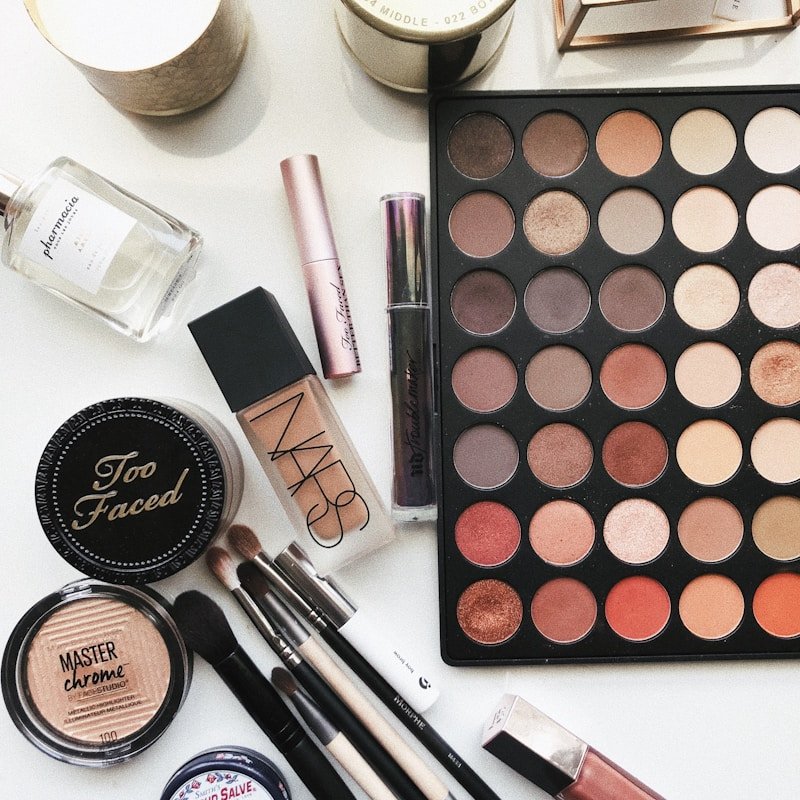
  • Affordable Makeup Brushes That Rival Expensive Brands in 2026

    Here’s a dirty little secret the beauty industry doesn’t want you to know: you don’t need $50 makeup brushes to get a flawless finish. Some of the best affordable makeup brushes on the market today perform just as well — sometimes better — than brushes costing 5x more.

    We’ve tested budget brushes against luxury brands like MAC, Sigma, and Artis, and the results honestly shocked us. Soft bristles, zero shedding, seamless blending — all for under $20 a set.

    If you’re building your brush collection (or replacing one that’s seen better days), these affordable makeup brushes are where your money should go.


    Expensive vs. Affordable Brushes: What’s the Real Difference?

    Before we dive into picks, let’s talk about what you’re actually paying for with luxury brushes:

    Materials

    High-end brushes historically used natural animal hair (sable, goat, squirrel), which provided superior blending. But here’s the thing — synthetic brush technology has caught up dramatically. Modern synthetic fibers like Taklon mimic natural hair performance at a fraction of the cost.

    Manufacturing

    Luxury brands often hand-assemble brushes and use metal ferrules crimped tighter to prevent shedding. Budget brands have improved their manufacturing significantly, and shedding is rarely an issue with the brands on this list.

    What Actually Matters

    • Bristle softness — affects comfort and blending
    • Bristle density — determines product pickup and payoff
    • Ferrule quality — keeps bristles from falling out
    • Handle ergonomics — comfort during application
    • Shape precision — the right shape for the right job

    Bottom line: a $12 Real Techniques brush and a $38 MAC brush are performing the same job with nearly identical results. You’re paying for branding, packaging, and prestige — not performance.


    Brush Types Explained: Which Ones Do You Actually Need?

    Before you buy a 32-piece set, let’s be real about what you’ll actually use:

    Must-Have Brushes (Start Here)

    Foundation Brush or Sponge — for smooth, even base application

    Powder Brush — large, fluffy brush for setting powder

    Blush Brush — medium, slightly angled for cheek color

    Blending Brush — fluffy eyeshadow brush for seamless transitions

    Flat Shader Brush — packs color onto lids

    Angled Liner Brush — for brows and gel liner

    Nice to Have

    Contour Brush — angled for sculpting cheekbones

    Fan Brush — light dusting of highlighter

    Lip Brush — precise lip color application

    Smudge Brush — smoky eye blending

    Skip Unless You’re a Pro

    • Kabuki brushes (powder brush does the same job)
    • Stippling brushes (foundation brush covers this)
    • Individual brushes over $30 each

    The truth: 6 well-chosen brushes will handle 95% of your makeup looks. Don’t fall for the 24-piece set marketing — you’ll use maybe 8 of them.


    The 5 Best Affordable Makeup Brush Brands

    1. Real Techniques — Our Pick 🏆

    Price Range: $6-$20 per set | Bristle Type: Synthetic (Taklon)

    Our Pick: Real Techniques consistently outperforms brushes twice their price. Founded by makeup artist Samantha Chapman, these brushes combine professional-grade performance with drugstore pricing. They’re the brand we recommend to everyone — beginners and pros alike.

    Created by a real makeup artist who understood that good tools shouldn’t require a second mortgage. Real Techniques uses custom-cut, ultra-plush synthetic bristles that pick up and distribute product like a dream.

    Best Products:

    • Everyday Essentials Set ($16) — 5 brushes covering foundation, blush, eyeshadow, and highlight. This single set handles a full face.
    • Expert Face Brush ($9) — their flagship face brush. Dense, applies liquid foundation flawlessly.
    • Setting Brush ($7) — perfect size for under-eye setting and targeted powder application.
    • Enhanced Eye Set ($12) — 5 eye brushes including blending, shader, liner, and brow brushes.

    Pros:

    • Incredibly soft, high-density synthetic bristles
    • Ergonomic handles with color-coded system (orange = face, purple = eyes, pink = finish)
    • Minimal to zero shedding
    • Available everywhere (drugstores, Amazon, Target)
    • Created by an actual makeup artist

    Cons:

    • Color-coded handles aren’t everyone’s aesthetic
    • Some handles feel slightly bulky
    • A few specialty brushes are hit or miss

    Verdict: If you buy one brush brand from this list, make it Real Techniques. The Everyday Essentials Set is genuinely all most people need.

    👉 Check Price on Amazon


    2. EcoTools

    Price Range: $5-$18 per set | Bristle Type: Synthetic (recycled materials)

    EcoTools is the eco-conscious choice that doesn’t sacrifice quality. Made with recycled aluminum ferrules, bamboo handles, and cruelty-free synthetic bristles, these brushes prove that sustainability and performance can coexist.

    Best Products:

    • Start the Day Beautifully Kit ($10) — 5 essential brushes in recycled packaging
    • Full Powder Brush ($7) — luxuriously soft, massive brush for loose powder
    • Blending & Bronzing Brush ($6) — dual-ended, perfect for sculpting

    Pros:

    • Eco-friendly materials without compromising quality
    • Incredibly soft bristles (some of the softest at any price point)
    • Bamboo handles have a premium feel
    • Very affordable
    • Cruelty-free and vegan

    Cons:

    • Bristle density is slightly less than Real Techniques
    • Handles can crack if they get wet frequently
    • Smaller product range than competitors

    Best for: Environmentally conscious beauty lovers who want soft, gentle brushes that work well and don’t harm the planet.

    👉 Check Price on Amazon


    3. BH Cosmetics

    Price Range: $8-$25 per set | Bristle Type: Synthetic

    BH Cosmetics specializes in bold, Instagram-worthy brush sets that come in every color combination imaginable. But don’t let the pretty packaging fool you — these brushes are workhorses. Their eye brush sets, in particular, are some of the best budget options available.

    Best Products:

    • Crystal Quartz 12-Piece Set ($20) — gorgeous rose gold and marble set with everything you need
    • Eye Essential 7-Piece Set ($12) — all the eye brushes you’ll ever need in one kit
    • Lavish Elegance 15-Piece Set ($25) — full face and eye collection

    Pros:

    • Beautiful, giftable packaging and designs
    • Great eye brush selection
    • Soft bristles with good density
    • Excellent value (12+ brushes for $20)
    • Comes with brush holders/cases

    Cons:

    • Some sets prioritize aesthetics over function (duplicate shapes)
    • Quality can vary between collections
    • A few brushes in larger sets feel like filler

    Best for: People who want aesthetic brush sets for gifting or Instagram, and anyone building an eye brush collection on a budget.

    👉 Check Price on Amazon


    4. Morphe

    Price Range: $4-$30 per set | Bristle Type: Synthetic and Natural blends

    Morphe made its name through YouTube beauty influencers, and while the hype has calmed down, their brushes remain solid performers — especially for eyeshadow work. Their individual eye brushes are where they really shine.

    Best Products:

    • M439 Deluxe Buffer Brush ($8) — dense, rounded brush that buffs in foundation beautifully
    • M441 Pro Firm Blending Brush ($6) — the eyeshadow blending brush that launched a thousand tutorials
    • Set 706 – 12 Piece Brush Set ($25) — comprehensive set for face and eyes

    Pros:

    • Individual brushes are very affordable
    • Eye brushes rival high-end brands
    • Wide range of shapes and sizes
    • Great for beginners exploring different brush types
    • Available at Ulta

    Cons:

    • Quality isn’t as consistent across the entire line
    • Some brushes shed more than competitors
    • Handles feel slightly cheap on budget options
    • Brand has had some controversy over the years

    Best for: Eyeshadow enthusiasts who want great blending brushes without spending Sigma money.

    👉 Check Price on Amazon


    5. e.l.f. Cosmetics Brush Sets

    Price Range: $3-$12 per set | Bristle Type: Synthetic (Taklon)

    e.l.f. is the undefeated champion of “how is this so cheap?” Their brushes start at literally $1 for individual pieces and $3 for mini sets. And somehow, they don’t suck. For pure bang-for-your-buck, nothing touches e.l.f.

    Best Products:

    • Flawless Face 6-Piece Set ($12) — powder, blush, contour, highlight, and two more
    • Blending Brush ($3) — single blending brush that performs way above its price
    • 11-Piece Brush Collection ($12) — their comprehensive set at an absurd price
    • Putty Primer Brush ($6) — designed for their famous Putty Primer but works with everything

    Pros:

    • Absurdly affordable (some brushes are $1)
    • Surprisingly decent quality for the price
    • Available at every drugstore
    • Great for beginners or teenagers on a budget
    • Cruelty-free

    Cons:

    • You get what you pay for — bristles aren’t as soft as Real Techniques
    • More shedding than pricier options
    • Handles feel lightweight/cheap
    • Not as durable long-term

    Best for: Absolute beginners, teenagers, anyone on a very tight budget, or people who just want to try different brush shapes without investing heavily.

    👉 Check Price on Amazon


    How to Take Care of Your Brushes

    Even the best brushes won’t last if you don’t clean them. Dirty brushes cause breakouts, uneven application, and color contamination. Here’s the simple routine:

    Weekly Cleaning

    Wet bristles under lukewarm water (keep water away from the ferrule)

    Swirl in gentle soap or brush cleanser

    Rinse until water runs clear

    Reshape bristles and lay flat to dry (never dry upright — water drips into the ferrule and loosens glue)

    Quick Daily Cleaning

    • Swirl brushes on a dry brush cleaner spray pad between uses
    • Keeps colors true and reduces bacteria buildup

    When to Replace

    • Brushes that shed excessively despite washing
    • Bristles that won’t hold their shape
    • Ferrules that feel loose or wobbly
    • Generally every 1-2 years with proper care

    Quick Comparison Table

    Brand Best For Price Range Bristle Quality Durability
    Real Techniques Overall performance $6-$20/set ⭐⭐⭐⭐⭐ ⭐⭐⭐⭐⭐
    EcoTools Eco-friendly + softness $5-$18/set ⭐⭐⭐⭐⭐ ⭐⭐⭐⭐
    BH Cosmetics Aesthetic sets + eyes $8-$25/set ⭐⭐⭐⭐ ⭐⭐⭐⭐
    Morphe Eye brushes $4-$30/set ⭐⭐⭐⭐ ⭐⭐⭐
    e.l.f. Ultra-budget $3-$12/set ⭐⭐⭐ ⭐⭐⭐

    Our Recommended Starter Kit (Under $30)

    If you’re building from scratch, here’s exactly what we’d buy:

    Real Techniques Everyday Essentials Set — $16 (covers foundation, blush, powder, highlight)

    Real Techniques Enhanced Eye Set — $12 (covers all eyeshadow needs)

    Total: $28 for 10 brushes that handle every look from natural to glam.

    You could also go all e.l.f. and get a complete 11-piece set for $12. It won’t feel as luxurious, but it’ll get the job done while you save up for Real Techniques.


    Frequently Asked Questions

    Are expensive makeup brushes worth it?

    For most people, no. The affordable brands on this list perform comparably to luxury brushes. If you’re a professional MUA working on clients daily, investing in higher-end brushes for durability makes sense. For personal use? Save your money.

    Synthetic vs. natural hair brushes?

    Synthetic brushes work better with liquid and cream products and are cruelty-free. Natural hair brushes traditionally picked up powder better, but modern synthetics have closed that gap. We recommend synthetic for most people.

    How many brushes do I really need?

    Six. A foundation brush, powder brush, blush brush, blending brush, flat shader, and an angled liner brush will cover 95% of everyday makeup looks.

    Can I use the same brush for different products?

    You can, but you’ll get better results with dedicated brushes. At minimum, keep eye brushes and face brushes separate to avoid color contamination.


    Final Thoughts

    The days of needing expensive brushes for professional results are over. Real Techniques leads the pack with the best combination of quality, performance, and price — they’re our top recommendation for everyone from beginners to seasoned makeup lovers.

    Don’t let anyone convince you that you need a $200 brush set to look good. Grab a Real Techniques set, learn the basics, and put the money you saved toward the products you’re actually putting on your face.

    BeautyVault independently reviews every product we recommend. When you buy through our links, we may earn a commission at no extra cost to you.

  • Best Korean Skincare Products for Glass Skin in 2026

    If your social media feeds have been flooded with impossibly dewy, luminous, almost translucent-looking skin — that’s glass skin. Originating from Korea’s beauty culture, the glass skin trend is all about achieving a complexion so hydrated and smooth that it literally looks like glass.

    The secret? Korean skincare. K-beauty has been leading the skincare game for years with innovative ingredients, gentle formulations, and a philosophy that prioritizes skin health over quick fixes. And when it comes to glass skin, nobody does it better.

    We’ve rounded up the best Korean skincare products to help you build your own glass skin routine — from cult-favorite essences to glow-boosting serums that actually deliver.


    What Is Glass Skin, Exactly?

    Glass skin (유리 피부 or “yuri pibu” in Korean) refers to skin that’s so well-hydrated, smooth, and clear that it appears almost transparent — like a pane of glass. The key characteristics:

    • Intensely hydrated — not oily, but deeply moisturized from within
    • Smooth texture — minimal visible pores, no rough patches
    • Even tone — no redness, dark spots, or discoloration
    • Natural luminosity — a lit-from-within glow, not a greasy shine

    Glass skin isn’t about covering imperfections with makeup — it’s about getting your actual skin to that level through consistent care. And that’s where the famous Korean skincare routine comes in.


    The Korean 10-Step Skincare Routine Explained

    Before we get to product picks, let’s break down the legendary 10-step routine. Don’t panic — you don’t need to do all 10 steps every single day. Think of it as a menu you can customize.

    Oil Cleanser — removes makeup, sunscreen, and oil-based impurities

    Water-Based Cleanser — cleans remaining dirt and sweat

    Exfoliator — removes dead skin cells (2-3x per week)

    Toner — balances pH and preps skin to absorb products

    Essence — the heart of K-beauty; lightweight hydration that plumps skin

    Serum/Ampoule — concentrated treatment for specific concerns

    Sheet Mask — intensive hydration boost (2-3x per week)

    Eye Cream — targets delicate under-eye area

    Moisturizer — locks in all the layers of hydration

    Sunscreen — protects everything you just put on your face

    The principle is simple: thin to thick, watery to creamy. Layer lightweight products first and build up to heavier ones.


    Best Korean Skincare Products for Every Step

    Step 1: Oil Cleanser — Banila Co Clean It Zero Cleansing Balm

    Price: ~$19 | Size: 100ml

    A sherbet-textured cleansing balm that melts into an oil on contact and dissolves everything — waterproof mascara, heavy sunscreen, all of it. Rinses clean without residue.

    Pros:

    • Melts away all makeup effortlessly
    • Doesn’t leave an oily film
    • Contains vitamin C and herbal extracts
    • Multiple versions for different skin types (original, purifying, nourishing)
    • Gentle enough for daily use

    Cons:

    • Jar packaging isn’t the most hygienic
    • Some find the fragrance too strong
    • Can sting eyes if not careful

    👉 Check Price on Amazon


    Step 2: Water-Based Cleanser — COSRX Low pH Good Morning Gel Cleanser

    Price: ~$12 | Size: 150ml

    Our Pick: COSRX dominates Korean skincare for a reason. This gentle gel cleanser has a slightly acidic pH (around 5.0) that matches your skin’s natural barrier, so it cleans without stripping.

    Pros:

    • Low pH preserves skin barrier
    • Contains BHA (betaine salicylate) for gentle exfoliation
    • Tea tree oil for mild antibacterial benefits
    • Budget-friendly
    • Huge cult following with thousands of positive reviews

    Cons:

    • Tea tree scent isn’t for everyone
    • Can feel slightly drying for very dry skin types
    • Doesn’t foam much (some people prefer more lather)

    👉 Check Price on Amazon


    Step 3: Exfoliator — Some By Mi AHA BHA PHA 30 Days Miracle Toner

    Price: ~$14 | Size: 150ml

    This triple-acid toner is a gentle daily exfoliator that combines AHA, BHA, and PHA for comprehensive exfoliation without irritation. It’s designed to show visible results in 30 days.

    Pros:

    • Triple acid formula covers all exfoliation bases
    • Contains tea tree and centella for soothing
    • pH balanced for daily use
    • Visible results in texture and clarity within weeks
    • Affordable for what you get

    Cons:

    • May be too strong for extremely sensitive skin
    • Slight medicinal scent
    • Start slow — every other day first

    👉 Check Price on Amazon


    Step 4: Toner — Laneige Cream Skin Toner & Moisturizer

    Price: ~$34 | Size: 150ml

    Laneige’s Cream Skin is a game-changer — it’s a toner that feels like a moisturizer. The milky formula delivers deep hydration while balancing your skin’s moisture barrier. One of the most innovative products in K-beauty.

    Pros:

    • Hydrating enough to replace moisturizer on humid days
    • Strengthens skin barrier with white leaf tea extract
    • Layerable — build up for more hydration
    • Elegant, minimal packaging
    • No heavy or sticky feeling

    Cons:

    • Pricier than basic toners
    • Milky texture can confuse those expecting traditional toner
    • May not be enough for very dry skin in winter on its own

    👉 Check Price on Amazon


    Step 5: Essence — COSRX Advanced Snail 96 Mucin Power Essence

    Price: ~$16 | Size: 100ml

    Yes, it’s snail mucin. Yes, it’s amazing. This is arguably the most famous K-beauty product worldwide. The 96% snail secretion filtrate delivers intense hydration, promotes skin repair, and gives that characteristic glass skin glow.

    Pros:

    • 96% snail mucin for intense hydration and repair
    • Visibly reduces fine lines and dark spots over time
    • Lightweight, absorbs quickly despite the gooey texture
    • Incredible value for the size
    • Suitable for all skin types

    Cons:

    • The stringy, mucus-like texture isn’t for everyone
    • Takes a few weeks to see major results
    • Slight tackiness if you apply too much

    Best for: Everyone. Seriously. If you buy one K-beauty product, make it this one.

    👉 Check Price on Amazon


    Step 6: Serum — Beauty of Joseon Glow Serum (Propolis + Niacinamide)

    Price: ~$12 | Size: 30ml

    Beauty of Joseon has exploded in popularity, and their Glow Serum is the reason. Propolis extract combined with 2% niacinamide brightens, soothes, and gives skin that honey-glow finish that’s perfect for glass skin.

    Pros:

    • Propolis and niacinamide combo is incredible for glow
    • Lightweight, non-sticky formula
    • Calms redness and irritation
    • Beautiful traditional Korean packaging
    • Ridiculously affordable for the quality

    Cons:

    • Small bottle (30ml) goes fast
    • May not be potent enough for severe hyperpigmentation
    • Slight honey scent (pleasant to most, but noted)

    👉 Check Price on Amazon


    Step 7: Sheet Mask — Innisfree My Real Squeeze Masks (Variety Pack)

    Price: ~$15 for 10 | Per mask: ~$1.50

    Innisfree’s sheet masks are a K-beauty staple. Made with real fruit and plant extracts from Jeju Island, they come in tons of varieties so you can pick based on your skin’s needs that day.

    Pros:

    • Huge variety of options (green tea, rice, aloe, honey, etc.)
    • Affordable enough for regular use
    • Good fit and decent serum saturation
    • Natural ingredients sourced from Jeju Island
    • Great for beginners

    Cons:

    • Not the most serum-soaked masks on the market
    • Some varieties work better than others
    • Packaging creates waste (look for biodegradable options)

    Best picks: Green Tea (oily skin), Rice (brightening), Aloe (soothing), Honey (hydration).

    👉 Check Price on Amazon


    Step 8: Eye Cream — Innisfree Green Tea Seed Eye Cream

    Price: ~$18 | Size: 30ml

    A lightweight eye cream that hydrates the delicate under-eye area without being heavy or causing milia. Green tea seed oil provides antioxidant protection while keeping the area moisturized.

    Pros:

    • Lightweight, non-greasy formula
    • Green tea antioxidants protect against aging
    • Absorbs quickly — no interference with concealer
    • Suitable for all ages and skin types
    • Good size for the price

    Cons:

    • Won’t dramatically reduce deep wrinkles
    • Subtle benefits (don’t expect overnight transformation)
    • Fragrance present (though light)

    👉 Check Price on Amazon


    Step 9: Moisturizer — Laneige Water Sleeping Mask

    Price: ~$28 | Size: 70ml

    While technically a sleeping mask, many K-beauty fans use this as their daily moisturizer — and for good reason. The gel-cream texture provides intense overnight hydration that you wake up to with plump, glowing skin. This is a glass skin essential.

    Pros:

    • Intense hydration without heaviness
    • Contains SLEEP-TOX™ technology to purify skin overnight
    • Scooping out the gel is oddly satisfying
    • A little goes a long way
    • Iconic K-beauty product for a reason

    Cons:

    • May not be rich enough for very dry skin in winter
    • Contains fragrance
    • Jar packaging (dip your spatula, not your fingers)

    👉 Check Price on Amazon


    Step 10: Sunscreen — Beauty of Joseon Relief Sun: Rice + Probiotics SPF 50+

    Price: ~$16 | Size: 50ml

    The sunscreen that broke the internet. Beauty of Joseon’s Relief Sun goes on like a lightweight moisturizer, leaves zero white cast, and has SPF 50+ PA++++. It’s the perfect final step in your glass skin routine.

    Pros:

    • SPF 50+ PA++++ (maximum UVA protection)
    • Zero white cast on all skin tones
    • Rice bran and probiotic ingredients nourish skin
    • Works beautifully under makeup
    • Incredible value

    Cons:

    • Can feel slightly dewy for very oily skin
    • Not water-resistant (reapply after sweating)
    • Frequently sells out due to popularity

    👉 Check Price on Amazon


    Glass Skin Tips Beyond Products

    Products are only part of the equation. Here’s what else matters:

    Hydration from Within

    Drink water. Boring advice, but dehydrated skin can’t achieve glass skin no matter how many products you layer on. Aim for 8+ glasses daily.

    Consistency Over Intensity

    Glass skin doesn’t happen overnight. It’s the result of consistent, gentle care over weeks and months. Don’t overdo it with actives — more isn’t always better.

    Diet Matters

    Foods rich in omega-3 fatty acids (salmon, walnuts), antioxidants (berries, green tea), and vitamins A, C, and E all support healthy, glowing skin from the inside out.

    Don’t Skip Sunscreen

    UV damage is the #1 enemy of glass skin. All that hydration and brightening work gets undone by unprotected sun exposure.

    The 7-Skin Method

    A K-beauty hack for maximum hydration: apply 7 thin layers of toner, letting each one absorb before the next. It sounds excessive, but the results are insane.


    Budget-Friendly Glass Skin Routine

    You don’t need all 10 steps or expensive products. Here’s a stripped-down glass skin routine for under $60:

    COSRX Good Morning Cleanser — $12

    Some By Mi Miracle Toner — $14

    COSRX Snail Mucin Essence — $16

    Beauty of Joseon Relief Sun — $16

    Total: ~$58 for a complete routine that delivers real glass skin results.


    Frequently Asked Questions

    How long does it take to get glass skin?

    With consistent use, most people see noticeable improvements in 4-6 weeks. Full glass skin results typically take 2-3 months.

    Can oily skin achieve glass skin?

    Absolutely! Glass skin is about hydration, not oiliness. Oily skin types should focus on lightweight, water-based products and skip heavy creams.

    Is the 10-step routine necessary?

    No. Many K-beauty enthusiasts use 4-6 steps daily and save the full routine for pamper nights. Consistency matters more than step count.

    Where should I buy Korean skincare?

    Amazon, YesStyle, Olive Young, and Stylevana are reliable sources. Always check seller ratings and expiration dates.


    Final Thoughts

    Glass skin isn’t a genetic gift reserved for Korean celebrities — it’s an achievable goal for anyone willing to invest in consistent, hydration-focused skincare. The products on this list are tried, tested, and beloved by millions of K-beauty fans worldwide.

    Start with the basics — a good cleanser, the legendary COSRX Snail Mucin, and a solid sunscreen — and build from there. Your glass skin journey starts with the next product you add to your cart.

    BeautyVault independently reviews every product we recommend. When you buy through our links, we may earn a commission at no extra cost to you.

  • Best Sunscreens for Dark Skin Tones 2026 (No White Cast)

    Finding the best sunscreen for dark skin shouldn’t feel like a treasure hunt — but for years, it has been. White cast, ashy residue, and formulas clearly not designed with melanin-rich skin in mind have made SPF a frustrating experience for Black and brown folks.

    Good news: the sunscreen game has changed dramatically. Brands are finally stepping up with invisible, lightweight formulas that protect without leaving you looking like a ghost. We tested dozens of sunscreens on deep, medium-deep, and dark skin tones to find the ones that actually disappear.

    Here are the best sunscreens for dark skin in 2026 — zero white cast, maximum protection.


    Why Sunscreen Matters for Dark Skin

    Let’s clear up a persistent myth: dark skin absolutely needs sunscreen. While higher melanin levels provide some natural UV protection (roughly SPF 13), that’s nowhere near enough to prevent sun damage, hyperpigmentation, premature aging, or skin cancer.

    In fact, sunscreen is one of the best tools for managing:

    • Hyperpigmentation and dark spots — UV exposure makes existing spots darker
    • Uneven skin tone — consistent SPF use helps even things out over time
    • Post-inflammatory hyperpigmentation (PIH) — especially after acne or irritation
    • Premature aging — yes, dark skin wrinkles less, but UV damage still accelerates it

    The key is finding a sunscreen you’ll actually want to wear daily. That means no white cast, no heavy texture, and no pilling under makeup.


    What to Look for in a Sunscreen for Dark Skin

    Before we get to the picks, here’s what separates a good sunscreen from a great one for deeper skin tones:

    Chemical vs. Mineral Sunscreens

    • Chemical sunscreens absorb UV rays and convert them to heat. They tend to be invisible on all skin tones. Look for ingredients like avobenzone, homosalate, and octinoxate.
    • Mineral (physical) sunscreens sit on top of the skin and reflect UV rays. The active ingredients — zinc oxide and titanium dioxide — are the usual white cast culprits. However, newer tinted and micronized mineral formulas have solved this issue.

    Key Features to Prioritize

    • No white cast — obviously
    • Lightweight texture — heavy sunscreens get skipped
    • SPF 30 or higher — dermatologist recommended minimum
    • Broad spectrum — protects against both UVA and UVB rays
    • Non-comedogenic — won’t clog pores or cause breakouts
    • Works under makeup — bonus points for doubling as a primer

    The 5 Best Sunscreens for Dark Skin in 2026

    1. Black Girl Sunscreen SPF 30 — Our Pick 🏆

    Price: ~$16 | SPF: 30 | Type: Chemical

    Our Pick: If you want a sunscreen literally made for melanin-rich skin, this is it. Zero white cast, moisturizing formula, and a brand that actually understands the assignment.

    Black Girl Sunscreen was created specifically to address the white cast problem, and it delivers beautifully. The formula goes on clear, feels like a lightweight moisturizer, and leaves skin with a natural, dewy finish.

    Pros:

    • Absolutely zero white cast on any skin tone
    • Moisturizing without being greasy
    • Made with jojoba, cacao, avocado, and sunflower oils
    • Affordable and accessible
    • Black-owned brand

    Cons:

    • SPF 30 (some prefer 50+)
    • Can feel slightly oily on very oily skin types
    • Takes a minute to fully absorb

    Best for: Daily wear, casual outdoor activities, anyone who wants a moisturizing SPF without thinking twice about white cast.

    👉 Check Price on Amazon


    2. Supergoop Unseen Sunscreen SPF 40

    Price: ~$38 | SPF: 40 | Type: Chemical

    Supergoop Unseen is genuinely invisible. It goes on like a clear, weightless gel-primer and leaves zero — we mean zero — trace on any skin tone. It’s become a cult favorite for good reason.

    Pros:

    • Completely invisible, oil-free formula
    • Works beautifully as a makeup primer
    • No fragrance
    • SPF 40 with broad-spectrum protection
    • Doesn’t pill under makeup or other skincare

    Cons:

    • Pricey at $38 for 1.7 oz
    • Silicone-heavy formula (not everyone loves the feel)
    • Small tube runs out fast with daily use

    Best for: Makeup wearers who want a primer-SPF combo, oily skin types, anyone who hates the feel of traditional sunscreen.

    👉 Check Price on Amazon


    3. La Roche-Posay Anthelios Melt-In Milk SPF 60

    Price: ~$36 | SPF: 60 | Type: Chemical

    La Roche-Posay is a dermatologist-favorite brand, and their Anthelios line is the gold standard for high-protection sunscreens. The Melt-In Milk formula absorbs quickly and dries down without any white residue on dark skin.

    Pros:

    • SPF 60 — serious protection
    • Lightweight, fast-absorbing milk texture
    • Water-resistant for 80 minutes
    • Oxybenzone-free
    • Works well on both face and body

    Cons:

    • Slightly shiny finish (might need blotting for oily skin)
    • Contains fragrance (sensitive skin, beware)
    • Not the best under heavy makeup

    Best for: Outdoor activities, beach days, anyone who wants maximum SPF protection without white cast.

    👉 Check Price on Amazon


    4. EltaMD UV Clear Broad-Spectrum SPF 46

    Price: ~$39 | SPF: 46 | Type: Chemical-Mineral Hybrid

    EltaMD UV Clear is the #1 dermatologist-recommended sunscreen in the US, and it’s earned that reputation. This hybrid formula combines zinc oxide with chemical filters for broad-spectrum protection that’s gentle enough for acne-prone and sensitive skin.

    Pros:

    • Contains niacinamide (helps with hyperpigmentation and oil control)
    • Lightweight, barely-there feel
    • Minimal white cast (much less than typical mineral sunscreens)
    • Oil-free and non-comedogenic
    • Fragrance-free

    Cons:

    • Can leave a very slight cast on the deepest skin tones (the tinted version solves this)
    • Expensive for the size
    • Pump dispenser can be finicky

    Pro tip: Go for the tinted version if you have very deep skin — it eliminates any trace of cast and adds a subtle, skin-evening tint.

    Best for: Acne-prone skin, sensitive skin, anyone dealing with hyperpigmentation who wants skincare benefits in their SPF.

    👉 Check Price on Amazon


    5. Kinlo Golden Rays Sunscreen SPF 50

    Price: ~$15 | SPF: 50 | Type: Chemical

    Created by Naomi Osaka, Kinlo was built from the ground up for melanin-rich skin. Golden Rays is their hero product — a tinted SPF 50 that blends seamlessly into dark skin tones and leaves a gorgeous, golden finish.

    Pros:

    • SPF 50 with a beautiful tinted finish
    • Designed specifically for dark skin tones
    • Contains hyaluronic acid for hydration
    • Very affordable
    • No white cast whatsoever

    Cons:

    • Tint may not match all undertones perfectly
    • Limited shade range in tinted options
    • Newer brand, so long-term track record is still building

    Best for: Anyone who wants a tinted SPF that enhances dark skin rather than fighting against it. Great for no-makeup days.

    👉 Check Price on Amazon


    Quick Comparison Table

    Sunscreen SPF Type White Cast Price Best For
    Black Girl Sunscreen 30 Chemical None ~$16 Daily moisturizing SPF
    Supergoop Unseen 40 Chemical None ~$38 Makeup primer + SPF
    La Roche-Posay Anthelios 60 Chemical None ~$36 Maximum protection
    EltaMD UV Clear 46 Hybrid Minimal ~$39 Acne-prone/sensitive skin
    Kinlo Golden Rays 50 Chemical None ~$15 Tinted, budget-friendly

    How to Apply Sunscreen for Maximum Protection

    Even the best sunscreen won’t work if you’re not applying it correctly. Here’s the deal:

    The Right Amount

    • Face: About two finger-lengths (a nickel-sized amount)
    • Body: Roughly a shot glass worth for full-body coverage
    • Most people apply only 25-50% of what they need — don’t skimp

    When to Apply

    • 15 minutes before sun exposure for chemical sunscreens
    • Immediately for mineral sunscreens (they work on contact)
    • Reapply every 2 hours, or immediately after swimming or sweating

    Sunscreen and Makeup

    Layer your sunscreen under makeup but over moisturizer and serums. Wait 1-2 minutes for the sunscreen to set before applying foundation or primer. If your sunscreen doubles as a primer (like Supergoop Unseen), you can skip the separate primer step.


    Frequently Asked Questions

    Does dark skin really need sunscreen?

    Yes, 100%. While melanin provides some natural protection, it’s not enough to prevent hyperpigmentation, sun damage, or skin cancer. SPF is non-negotiable for all skin tones.

    What SPF should I use?

    Dermatologists recommend SPF 30 at minimum for daily use. If you’re spending extended time outdoors, go for SPF 50+.

    How do I avoid white cast?

    Choose chemical sunscreens or tinted mineral sunscreens. All five products on this list are specifically chosen for their lack of white cast on dark skin.

    Can I use sunscreen with retinol?

    Absolutely — you should. Retinol makes skin more sun-sensitive, so pairing it with daily SPF is essential. Apply retinol at night, sunscreen in the morning.


    Final Thoughts

    The sunscreen industry has come a long way, and there’s no excuse anymore for formulas that don’t work on dark skin. Whether you want an affordable daily SPF like Black Girl Sunscreen, a makeup-friendly option like Supergoop Unseen, or maximum protection from La Roche-Posay Anthelios, there’s a perfect sunscreen out there for you.

    The best sunscreen is the one you’ll actually wear every day. Pick one from this list, make it part of your morning routine, and your skin will thank you for years to come.

    BeautyVault independently reviews every product we recommend. When you buy through our links, we may earn a commission at no extra cost to you.

  • Best Hair Growth Serums That Actually Work in 2026

    Let’s be honest: the hair growth market is a minefield of snake oil. Every other product claims to give you “thicker, fuller hair in weeks!” and most of them are lying. So we cut through the noise and found the serums that are actually backed by science, real reviews, and visible results.

    Whether you’re dealing with thinning, postpartum shedding, stress-related loss, or just want denser hair — these are the serums worth your money and patience.

    Hair Growth Ingredients That Actually Work

    Before we get into products, let’s talk about what science says actually helps:

    Minoxidil

    The only FDA-approved topical treatment for hair loss. It works by increasing blood flow to hair follicles and extending the growth phase of the hair cycle. Available over-the-counter in 2% and 5% concentrations. It’s not glamorous, but it’s the most proven option available.

    Peptides

    Biomimetic peptides (like redensyl, capixyl, and baicapil) are the newer players in hair growth. They work by stimulating stem cells in hair follicles. The research is promising but newer than minoxidil.

    Biotin

    Let’s clear something up: biotin helps if you’re deficient (which most people aren’t). Taking mega-doses of biotin supplements won’t grow hair if you’re already getting enough. In topical form, it can strengthen existing hair.

    Caffeine

    Topical caffeine has been shown to stimulate hair follicles and counteract the effects of DHT (the hormone most responsible for pattern hair loss). It’s not a miracle, but it’s a solid supporting ingredient.

    Saw Palmetto

    A natural DHT blocker that works similarly to finasteride but is much milder. Some studies show it can reduce hair shedding and support thickness.

    How Long Until You See Results?

    This is the part nobody wants to hear: hair growth takes time.

    • 4-6 weeks: Reduced shedding (your first sign it’s working)
    • 3 months: New baby hairs may appear
    • 6 months: Noticeable thickness improvement
    • 12 months: Full results

    If a product promises visible results in “just days,” it’s lying. Hair grows approximately half an inch per month. Biology doesn’t care about marketing timelines.

    The 5 Best Hair Growth Serums

    ⭐ Our Pick: The Ordinary Multi-Peptide Serum for Hair Density

    Price: ~$18

    Leave it to The Ordinary to deliver a seriously effective hair serum at a price that doesn’t make you wince. This concentrated formula combines multiple peptide technologies (including redensyl and procapil) with caffeine to target hair density from multiple angles.

    It’s lightweight, doesn’t make your hair greasy, and can be used on both dry and damp hair. Apply it directly to your scalp nightly, massage for 1-2 minutes, and let it work while you sleep.

    The results won’t be overnight — nothing real ever is — but by month three, most people report noticeably less shedding and new growth at the hairline.

    Pros:

    • Multi-peptide complex targets density from multiple pathways
    • Caffeine boosts circulation
    • Lightweight, non-greasy formula
    • Unbeatable price for the ingredient quality

    Cons:

    • Takes 3+ months for visible results
    • Dropper application is a bit messy
    • No minoxidil (less proven than FDA-approved options)

    Shop The Ordinary Multi-Peptide Serum for Hair Density →


    Vegamour GRO Hair Serum

    Price: ~$52

    Vegamour took the clean beauty approach to hair growth and actually pulled it off. Their GRO serum uses a blend of mung bean, curcumin, red clover, and nicotiana benthamiana — plant-based ingredients clinically shown to reduce shedding and increase hair density.

    In their clinical study, users saw up to 52% less shedding in 4 months and up to 76% increase in hair density. Those numbers are impressive for a plant-based formula.

    The serum is vegan, cruelty-free, and hormone-free — which matters if you’re avoiding minoxidil due to side effects or if you’re pregnant/nursing.

    Pros:

    • Plant-based and hormone-free
    • Clinical studies back the claims
    • Clean, sustainable brand
    • Works for all hair types

    Cons:

    • Premium price point
    • Results take 3-4 months minimum
    • Not FDA-approved (plant-based route)

    Shop Vegamour GRO Hair Serum →


    Nioxin Scalp & Hair Treatment (System 2)

    Price: ~$28

    Nioxin has been the professional salon go-to for thinning hair for over 35 years. Their System 2 is specifically designed for noticeably thinning, natural hair.

    The treatment uses a blend of botanical extracts, peppermint oil for scalp stimulation, and white tea extract for antioxidant protection. You’ll feel a tingling sensation when you apply it — that’s the peppermint increasing blood flow to your scalp.

    What sets Nioxin apart is that it’s a complete system. The treatment works best when paired with their cleanser and conditioner (the full System 2 kit is ~$45), but the treatment alone still delivers results.

    Pros:

    • 35+ years of salon trust
    • Scalp-tingling formula boosts circulation
    • Can be used with other treatments
    • Professional-grade quality

    Cons:

    • Best results require the full system
    • Contains some synthetic fragrances
    • Tingling may be uncomfortable for some
    • Not a standalone hair growth treatment

    Shop Nioxin Scalp & Hair Treatment →


    Bondi Boost Intensive Growth Spray

    Price: ~$26 (4.23 oz)

    Bondi Boost went viral on TikTok for a reason — the Growth Spray combines saw palmetto, peppermint, and rosemary into an easy-to-use spray format that doesn’t disrupt your routine.

    The spray format is genuinely more convenient than dropper serums. You can spritz it directly onto your scalp, part by part, massage it in, and go about your day. It absorbs quickly and doesn’t leave your hair looking or feeling oily.

    Rosemary oil is a standout ingredient here — a 2015 study found it comparable to 2% minoxidil for hair regrowth, with fewer side effects. Combined with saw palmetto’s DHT-blocking properties, this is a solid natural option.

    Pros:

    • Convenient spray format
    • Rosemary oil comparable to minoxidil in studies
    • Saw palmetto blocks DHT naturally
    • Pleasant scent (not medicinal)

    Cons:

    • Spray can be imprecise on targeted areas
    • More expensive per ounce than some competitors
    • Limited clinical studies on the specific formula
    • Results vary significantly

    Shop Bondi Boost Intensive Growth Spray →


    Wild Growth Hair Oil

    Price: ~$9 (4 oz)

    Wild Growth Hair Oil has been a cult favorite in the Black hair care community for decades, and it’s earned that status. The formula combines olive oil, coconut oil, jojoba oil, and vitamins A, D, and E to nourish the scalp and support healthier, faster growth.

    Let’s set expectations: this is a hair oil, not a pharmaceutical treatment. It works by creating optimal conditions for growth — a nourished, moisturized scalp and stronger hair that breaks less. For many people, reducing breakage alone leads to significantly more retained length.

    The price is almost ridiculous for how long the bottle lasts. A few drops go a long way.

    Pros:

    • Decades of loyal following
    • Natural oil blend nourishes scalp and hair
    • Incredibly affordable
    • A little goes a very long way

    Cons:

    • Strong herbal scent (love it or hate it)
    • Can feel heavy if over-applied
    • Not clinically studied like minoxidil
    • Works more by reducing breakage than stimulating growth

    Shop Wild Growth Hair Oil →


    Quick Comparison

    Product Price Key Ingredients Best For Timeline
    The Ordinary Multi-Peptide ~$18 Peptides, caffeine Overall best value 3-6 months
    Vegamour GRO ~$52 Plant-based complex Clean beauty fans 3-4 months
    Nioxin System 2 ~$28 Botanicals, peppermint Salon-quality treatment 3-6 months
    Bondi Boost Growth Spray ~$26 Rosemary, saw palmetto Easy daily use 3-6 months
    Wild Growth Hair Oil ~$9 Natural oils, vitamins Reducing breakage, budget pick 2-4 months

    Tips for Maximizing Hair Growth

  • Be consistent. Apply your chosen serum daily (or as directed). Skipping days dramatically slows results.
  • Scalp massage matters. Spend 2-3 minutes massaging the serum into your scalp. This boosts blood flow and helps absorption.
  • Check your diet. Iron, zinc, vitamin D, and protein deficiencies all contribute to hair loss. A blood test can reveal if you’re low.
  • Reduce heat styling. Heat damage causes breakage that cancels out growth. Air dry when possible.
  • Manage stress. Telogen effluvium (stress-related hair loss) is real. Exercise, sleep, and stress management make a measurable difference.
  • Be patient. We said it already, but it’s worth repeating. Give any product at least 3 months before judging it.
  • When to See a Dermatologist

    Over-the-counter serums are great for mild to moderate thinning, but see a dermatologist if:

    • You’re losing hair suddenly or in patches
    • You have scalp pain, redness, or scaling
    • OTC treatments haven’t worked after 6+ months
    • You’re experiencing hair loss along with other symptoms
    • You want to explore prescription options (finasteride, spironolactone)

    Hair loss can sometimes signal underlying health conditions. Don’t self-diagnose — get a professional opinion if something feels off.

    The Bottom Line

    The Ordinary Multi-Peptide Serum for Hair Density is our top pick because it packs multiple proven peptides into an affordable, easy-to-use formula. But every serum on this list has genuine merit.

    The key is picking one, committing to it for at least three months, and being realistic about timelines. Hair growth isn’t fast, but with the right products and consistency, most people see real improvement.

    Your hair didn’t thin overnight, and it won’t grow back overnight either. But it can get better. Give it time.

    Last updated: March 2026. We may earn a commission through affiliate links at no extra cost to you.

  • The Ultimate Guide to Double Cleansing: Products & Method

    You wash your face every night. Good. But what if we told you that one wash isn’t actually getting everything off? Sunscreen, makeup, pollution, sebum — a single cleanser often just pushes that stuff around instead of removing it.

    Enter double cleansing: the two-step method that changed millions of skincare routines worldwide. It’s simpler than it sounds, and once you try it, you’ll wonder how you ever thought one cleanser was enough.

    What Is Double Cleansing?

    Double cleansing is exactly what it sounds like — washing your face twice, with two different types of cleansers:

    Step 1: Oil-based cleanser (cleansing oil, cleansing balm, or micellar water)

    This dissolves oil-based impurities: sunscreen, makeup, excess sebum, and pollution particles. Oil dissolves oil — it’s basic chemistry.

    Step 2: Water-based cleanser (gel, foam, or cream cleanser)

    This handles everything else: sweat, dirt, and any remaining residue. It also ensures your skin is truly clean and ready to absorb your serums and treatments.

    Think of it this way: the first cleanse removes the day from your face. The second cleanse actually cleans your skin.

    Why Double Cleansing Works

    Here’s something most people don’t realize: sunscreen is designed to stay on your skin. That’s literally its job. A single water-based cleanser often can’t fully remove it, which means you’re layering new skincare on top of yesterday’s sunscreen residue. Not ideal.

    Benefits of double cleansing:

    • Truly clean skin that absorbs serums and treatments better
    • Fewer breakouts from leftover makeup and sunscreen clogging pores
    • Better texture over time as pores stay clear
    • More effective actives because they’re penetrating clean skin, not a layer of grime
    • Gentler than scrubbing — two gentle washes beat one aggressive one

    Studies have shown that double cleansing removes significantly more sunscreen residue than single cleansing. If you’re investing in good skincare, double cleansing ensures you’re actually getting the full benefit.

    Step-by-Step: How to Double Cleanse

    Step 1: Oil Cleanse

  • Start with dry hands and a dry face. This is important — water can create a barrier that prevents the oil cleanser from dissolving makeup and sunscreen effectively.
  • Apply a generous amount of oil cleanser or cleansing balm to your palms.
  • Massage gently all over your face for 60 seconds. Focus on areas with heavy makeup or sunscreen (around the eyes, forehead, nose).
  • Add a small amount of water and continue massaging. The cleanser should emulsify — turning milky white. This is the magic moment.
  • Rinse with lukewarm water. Your face should feel clean but still slightly “coated.” That’s normal.
  • Step 2: Water-Based Cleanse

  • Apply your water-based cleanser to damp skin.
  • Gently massage for 30-60 seconds in circular motions.
  • Rinse thoroughly with lukewarm water. (Hot water strips your skin — always go lukewarm.)
  • Pat dry with a clean towel. Don’t rub.
  • That’s it. Two minutes, twice the clean.

    AM vs. PM: When to Double Cleanse

    Evening (PM): Yes, always.

    This is when double cleansing matters most. You’ve got a full day of sunscreen, makeup, pollution, and oil buildup to remove.

    Morning (AM): Usually not necessary.

    Your skin didn’t encounter sunscreen or makeup while you slept. A single gentle cleanser — or even just water — is fine in the morning. Over-cleansing can strip your skin and cause dryness.

    The exception: If you used a heavy occlusive product at night (like Aquaphor for slugging), an oil cleanse in the morning can help remove the residue.

    Best Products for Double Cleansing

    Oil Cleansers (Step 1)

    #### ⭐ Our Pick: DHC Deep Cleansing Oil

    Price: ~$18 (2.3 oz) / ~$30 (6.7 oz)

    DHC basically invented the modern oil cleansing trend, and this formula remains the gold standard. The olive oil base dissolves everything — waterproof mascara, heavy-duty sunscreen, all-day foundation — without leaving a greasy residue.

    It emulsifies beautifully when you add water, which means it rinses clean instead of leaving an oily film. The rosemary and vitamin E are nice antioxidant bonuses, but the real star is how thoroughly this cleans while feeling incredibly gentle.

    Pros:

    Cons:

    Shop DHC Deep Cleansing Oil →


    #### Banila Co Clean It Zero Cleansing Balm

    Price: ~$19 (3.38 oz)

    If you prefer a balm over a liquid oil, Banila Co’s Clean It Zero is the K-beauty classic that started the cleansing balm craze. The sherbet-like texture melts into a silky oil on contact, and it’s genuinely satisfying to use.

    The original formula works for most skin types, but they also make versions for sensitive, nourishing, and purifying needs. Scoop out a small amount, warm it between your palms, and watch it melt away a full face of makeup in seconds.

    Pros:

    Cons:

    Shop Banila Co Clean It Zero →


    #### Kose Softymo Speedy Cleansing Oil

    Price: ~$10 (7.8 oz)

    The budget king of oil cleansers. Kose Softymo is a Japanese drugstore staple that gives you a massive bottle for a fraction of the price of most options. It removes makeup and sunscreen efficiently, emulsifies well, and rinses clean.

    The “Speedy” version is designed to work on dry OR wet hands, which is a huge convenience factor. No more trying to start your routine with perfectly dry hands.

    Pros:

    Cons:

    Shop Kose Softymo Speedy Cleansing Oil →


    Water-Based Cleansers (Step 2)

    #### ⭐ Our Pick: CeraVe Hydrating Facial Cleanser

    Price: ~$16 (16 oz)

    CeraVe makes another appearance, and it’s well deserved. The Hydrating Cleanser contains ceramides and hyaluronic acid, so it actually adds moisture while it cleans. Your skin never feels tight or stripped after using it.

    As a second cleanse, it’s perfect — gentle enough that you’re not over-cleansing, but effective enough to remove any remaining residue from your oil cleanse. The pump bottle is practical, and the price per ounce is excellent.

    Pros:

    Cons:

    Shop CeraVe Hydrating Facial Cleanser →


    #### La Roche-Posay Toleriane Hydrating Gentle Cleanser

    Price: ~$16 (13.5 oz)

    La Roche-Posay’s Toleriane cleanser is ceramide-rich, prebiotic-infused, and feels like washing your face with something actually nice instead of a chore. The formula respects your skin’s natural pH and leaves it feeling balanced — not tight, not greasy.

    It’s especially good for sensitive and dry skin types who need a second cleanser that won’t undo all the gentle work of their oil cleanse.

    Pros:

    Cons:

    Shop La Roche-Posay Toleriane Hydrating Gentle Cleanser →


    Double Cleansing Combos We Love

    Skin Type Step 1 (Oil) Step 2 (Water)
    Dry/Sensitive Banila Co Clean It Zero CeraVe Hydrating Cleanser
    Oily/Acne-Prone DHC Deep Cleansing Oil CeraVe Foaming Cleanser
    Normal/Combo Kose Softymo Speedy La Roche-Posay Toleriane
    Heavy Makeup Wearer DHC Deep Cleansing Oil La Roche-Posay Toleriane
    Budget Pick Kose Softymo Speedy CeraVe Hydrating Cleanser

    Common Double Cleansing Mistakes

  • Using too little oil cleanser. Don’t be stingy — you need enough to actually dissolve everything.
  • Skipping the massage. 60 seconds of massage gives the oil time to break down sunscreen and makeup.
  • Using hot water. Lukewarm only. Hot water strips your skin.
  • Double cleansing in the morning. Once a day (evening) is enough for most people.
  • Choosing a harsh second cleanser. If your face feels tight and “squeaky clean,” your cleanser is too harsh.
  • FAQs

    Do I need to double cleanse if I don’t wear makeup?

    Yes! Sunscreen, pollution, and sebum still need an oil cleanser to break down effectively.

    Can double cleansing cause breakouts?

    If you’re using the wrong oil cleanser for your skin type, possibly. Patch test and choose non-comedogenic formulas.

    Is micellar water a substitute for oil cleansing?

    It can be for light makeup and sunscreen, but it’s not as thorough as a proper oil cleanser for heavy or waterproof products.

    How long should double cleansing take?

    About 2-3 minutes total. 60 seconds for the oil cleanse, 30-60 seconds for the water-based cleanse.

    The Bottom Line

    Double cleansing isn’t a fad — it’s a fundamental upgrade to how you wash your face. Pair DHC Deep Cleansing Oil with CeraVe Hydrating Cleanser for a combo that works for most skin types, or mix and match from our recommendations based on your specific needs.

    Your serums, treatments, and moisturizers can only work as well as the canvas they’re applied to. Give them a clean one.

    Last updated: March 2026. We may earn a commission through affiliate links at no extra cost to you.

  • Best Drugstore Foundations Under $15 That Actually Work

    Let’s settle this once and for all: you don’t need to spend $40+ on foundation. Some of the best formulas on the market are sitting on drugstore shelves right now, and they’ll set you back less than a lunch order.

    We tested, compared, and obsessed over drugstore foundations so you can walk into CVS with confidence. Here are the ones that actually deliver on their promises — for under $15.

    What Makes a Good Foundation?

    Before we dive in, let’s talk about what separates a good foundation from a “why does my face look like a mask” foundation:

    Coverage that matches your needs:

    • Sheer/Light: Evens out skin tone, lets your skin show through
    • Medium: Covers most imperfections, still looks like skin
    • Full: Covers everything. Acne scars, hyperpigmentation, the works

    Finish types:

    • Matte: Controls oil, great for oily skin
    • Dewy: Adds glow, great for dry skin
    • Natural/Satin: The middle ground most people love

    Longevity: Does it last through your workday without sliding off, separating, or oxidizing? That’s the real test.

    How to Match Your Foundation Shade

    Here’s a pro tip that’ll save you from the dreaded “wrong shade” walk of shame: test on your jawline, not your hand. Your hand is almost never the same color as your face.

    If you’re shopping online, most brands have shade finder tools on their websites. And here’s a secret: buying two close shades and mixing them often gives you a better match than any single shade can.

    Also, check the foundation in natural light before committing. Drugstore lighting is notoriously terrible and will lie to your face — literally.

    The 5 Best Drugstore Foundations Under $15

    ⭐ Our Pick: Maybelline Fit Me Matte + Poreless Foundation

    Price: ~$9

    Shades: 40

    Coverage: Light to medium (buildable)

    Finish: Natural matte

    This foundation has been a drugstore legend for years, and the 2026 formula update only made it better. With 40 shades, virtually everyone can find their match. The micro-powders blur pores without looking cakey, and it wears beautifully for 8+ hours.

    The “Matte + Poreless” version is best for normal to oily skin. If you’re on the drier side, check out the “Dewy + Smooth” version instead — same great formula, different finish.

    Pros:

    • 40-shade range is genuinely inclusive
    • Natural-looking matte finish
    • Doesn’t settle into pores or fine lines
    • Buildable without getting heavy

    Cons:

    • Can oxidize slightly on some skin tones
    • Limited coverage for deep scars
    • Pump not included (annoying, but $2 fix)

    Best for: Normal to oily skin types wanting a natural, everyday look.

    Shop Maybelline Fit Me Matte + Poreless →


    L’Oreal True Match Super-Blendable Foundation

    Price: ~$12

    Shades: 45

    Coverage: Light to medium

    Finish: Natural

    L’Oreal True Match earns its name — the 45-shade range is one of the most comprehensive at the drugstore, and they’re organized by undertone (warm, cool, neutral) which makes finding your match way easier.

    The formula is incredibly blendable (it literally glides), and it feels like nothing on your skin. If you hate the “I’m wearing foundation” feeling, this is your pick. The finish is perfectly natural — not matte, not dewy, just your-skin-but-better.

    Pros:

    • 45 shades organized by undertone
    • Truly undetectable on skin
    • Super blendable with fingers, brush, or sponge
    • Doesn’t clog pores

    Cons:

    • Longevity could be better (6-7 hours max)
    • Not enough coverage for some
    • Thin consistency takes getting used to

    Best for: Anyone who wants a “no-makeup makeup” look.

    Shop L’Oreal True Match Super-Blendable Foundation →


    NYX Professional Makeup Born to Glow Naturally Radiant Foundation

    Price: ~$11

    Shades: 45

    Coverage: Medium (buildable to full)

    Finish: Dewy/radiant

    If “glass skin” is your goal, the Born to Glow foundation gets you there without a 12-step K-beauty routine. The radiant finish looks like you’re genuinely glowing from within, not like you rubbed highlighter all over your face.

    The coverage starts at medium and builds to full without getting cakey — which is genuinely impressive for the price. It does lean dewy, so if you’re oily, you’ll want to set it with powder. But for dry and normal skin types? This is absolute gold.

    Pros:

    • Beautiful, natural-looking radiance
    • Builds to full coverage smoothly
    • 45 diverse shades
    • Cruelty-free and vegan

    Cons:

    • Too dewy for oily skin without powder
    • Can transfer throughout the day
    • Not the longest-wearing option

    Best for: Dry to normal skin types wanting a luminous, healthy-looking finish.

    Shop NYX Born to Glow Foundation →


    Revlon ColorStay Makeup for Combination/Oily Skin

    Price: ~$12

    Shades: 43

    Coverage: Medium to full

    Finish: Matte

    Revlon ColorStay is the OG of long-wearing drugstore foundation. When they say it lasts, they mean it — we’re talking 10-12 hours of wear without significant fading or separation. For oily skin especially, this is the foundation that finally stays put.

    The coverage is impressive too. Medium out of the bottle, but it builds to full easily. It’s the foundation we’d recommend for anyone who needs their makeup to survive a long day — work, events, whatever life throws at you.

    Pros:

    • Exceptional longevity (10+ hours)
    • Strong coverage for the price
    • Specifically formulated for oily/combo skin
    • 43 shades

    Cons:

    • Can look heavy if over-applied
    • Needs thorough blending
    • The matte finish can emphasize dry patches

    Best for: Oily and combination skin types who need all-day wear.

    Shop Revlon ColorStay Foundation →


    e.l.f. Flawless Finish Foundation

    Price: ~$6

    Shades: 40

    Coverage: Medium

    Finish: Semi-matte

    At $6, the e.l.f. Flawless Finish Foundation has no business being this good. The lightweight formula gives you real, honest coverage while still looking like skin. It doesn’t cling to dry patches, it doesn’t melt off oily zones, and it plays nice with virtually every primer and setting spray.

    The semi-matte finish works for almost every skin type, which is rare at any price point. If you’re a foundation newbie or just refuse to overspend on something you wear daily, start here.

    Pros:

    • Incredible value at $6
    • Works on most skin types
    • Lightweight, comfortable formula
    • 40 shades, cruelty-free and vegan

    Cons:

    • Coverage could be more buildable
    • Longevity is average (6-8 hours)
    • Packaging feels cheap

    Best for: Budget shoppers and foundation beginners who want easy, everyday coverage.

    Shop e.l.f. Flawless Finish Foundation →


    Quick Comparison

    Foundation Price Shades Coverage Finish Best For
    Maybelline Fit Me ~$9 40 Light-Medium Natural Matte Normal/Oily
    L’Oreal True Match ~$12 45 Light-Medium Natural No-makeup look
    NYX Born to Glow ~$11 45 Medium-Full Dewy Dry/Normal
    Revlon ColorStay ~$12 43 Medium-Full Matte Oily/Long days
    e.l.f. Flawless Finish ~$6 40 Medium Semi-Matte Budget/Beginners

    Foundation Application Tips

    With fingers: Warmest, most natural finish. Great for light coverage. Dot foundation on your forehead, cheeks, nose, and chin, then blend outward.

    With a brush: More coverage, more control. Use a flat or stippling brush and work in downward strokes to avoid lifting peach fuzz.

    With a sponge: The people’s favorite. Dampen your beauty sponge, squeeze out excess water, and bounce (don’t drag) the foundation into your skin. This gives the most airbrushed, natural finish.

    Pro tip: Let your primer sit for 60 seconds before applying foundation. This allows it to set and prevents pilling.

    How to Make Drugstore Foundation Last All Day

  • Primer is key. A good primer creates a smooth base and helps foundation grip your skin.
  • Set with powder. A light dusting of translucent powder on your T-zone makes a huge difference.
  • Setting spray. The final seal. NYX Matte Finish or e.l.f. Makeup Mist & Set are great budget options.
  • Blot, don’t reapply. When you get oily midday, blotting papers are your friend. Adding more foundation just creates a cakey mess.
  • The Bottom Line

    Maybelline Fit Me Matte + Poreless wins our top spot for its shade range, natural finish, and unbeatable price. But let’s be real — every foundation on this list outperforms its price tag.

    The best drugstore foundation is the one that matches your skin tone, works with your skin type, and makes you feel good when you look in the mirror. At these prices, there’s no reason not to experiment until you find your perfect match.

    Last updated: March 2026. We may earn a commission through affiliate links at no extra cost to you.

  • 10 Best Moisturizers for Dry Skin (Dermatologist Recommended)

    If your skin feels tight after washing, flakes show up uninvited, and “dewy” seems like a word that was invented to mock you — you need a better moisturizer. Not just any moisturizer, though. You need one that actually repairs your skin barrier and locks in hydration for hours.

    We rounded up 10 moisturizers that dermatologists genuinely recommend for dry skin. No gimmicks, no “miracle creams” — just proven formulas that work.

    What to Look for in a Moisturizer for Dry Skin

    Before you grab the first thing with “hydrating” on the label, here’s what actually matters in a formula:

    Humectants pull water into your skin:

    • Hyaluronic acid
    • Glycerin
    • Urea

    Emollients smooth and soften:

    • Squalane
    • Ceramides
    • Fatty acids

    Occlusives seal everything in:

    • Petrolatum
    • Shea butter
    • Dimethicone

    The best dry skin moisturizers combine all three. A humectant alone won’t cut it if there’s nothing to lock that moisture in.

    Ingredients to avoid: Alcohol denat, fragrance (especially synthetic), and harsh essential oils. These can strip what little moisture your skin is holding onto.

    Day vs. Night Moisturizing: Does It Matter?

    Short answer: yes.

    Daytime moisturizer should be lighter, layer well under sunscreen, and ideally contain some UV protection. You don’t want anything too heavy that’ll make your sunscreen pill or slide off.

    Nighttime moisturizer can be thicker and richer. Your skin does its heaviest repair work while you sleep, so this is the time to go heavy on ceramides, peptides, and occlusives.

    Some people use the same moisturizer for both — that’s fine if it works for you. But if your skin is seriously dry, using a richer formula at night can make a noticeable difference.

    The 10 Best Moisturizers for Dry Skin

    ⭐ Our Pick: CeraVe Moisturizing Cream

    Price: ~$17 (16 oz tub)

    There’s a reason every dermatologist on the planet recommends CeraVe. This moisturizer contains three essential ceramides plus hyaluronic acid, and it uses MVE technology to release them slowly throughout the day.

    The tub is massive, the formula is fragrance-free, and it works on literally everything — face, body, hands. It’s not glamorous. It doesn’t have pretty packaging. But it works better than moisturizers five times its price.

    Pros:

    • Three essential ceramides restore the skin barrier
    • MVE time-release technology
    • Fragrance-free and non-comedogenic
    • Incredible value per ounce

    Cons:

    • Tub packaging isn’t the most hygienic
    • Can feel heavy under makeup
    • Basic packaging (if aesthetics matter to you)

    Shop CeraVe Moisturizing Cream →


    Vanicream Moisturizing Skin Cream

    Price: ~$14 (16 oz)

    Vanicream was literally created for people with sensitive skin by Mayo Clinic dermatologists. If everything breaks you out or irritates you, this is your moisturizer.

    The ingredient list is refreshingly short. No dyes, no fragrance, no lanolin, no parabens, no formaldehyde releasers. It’s about as gentle as a moisturizer can possibly be while still being deeply effective.

    Pros:

    • Free of virtually every common irritant
    • Dermatologist-developed (Mayo Clinic)
    • Thick, protective formula
    • Great for eczema-prone skin

    Cons:

    • Very basic formula (no fancy actives)
    • Thick texture isn’t for everyone
    • No pump on the tub

    Shop Vanicream Moisturizing Skin Cream →


    La Roche-Posay Toleriane Double Repair Face Moisturizer

    Price: ~$20

    This one is a daytime dry skin dream. It’s lightweight enough to layer under sunscreen and makeup, but packed with ceramides and niacinamide to repair and protect your barrier all day.

    La Roche-Posay also makes a version with SPF 30 built in (~$22), which is honestly the smarter buy if you want to simplify your morning routine.

    Pros:

    • Lightweight yet deeply hydrating
    • Ceramide-niacinamide combo
    • Absorbs fast, plays well under sunscreen
    • SPF version available

    Cons:

    • May not be rich enough for very dry skin at night
    • Smaller size for the price
    • SPF version has a slight white cast

    Shop La Roche-Posay Toleriane Double Repair →


    First Aid Beauty Ultra Repair Cream

    Price: ~$38 (6 oz)

    FAB’s Ultra Repair Cream is the moisturizer that went viral for a reason. Colloidal oatmeal soothes irritation, shea butter provides intense moisture, and it absorbs surprisingly fast for how thick it is.

    It’s particularly great in winter when dry skin goes from “annoying” to “painful.” The relief is almost instant — you can feel your skin calming down within minutes of applying it.

    Pros:

    • Colloidal oatmeal soothes and protects
    • Rich but absorbs well
    • Great for winter rescue
    • Comes in several sizes

    Cons:

    • Pricier than drugstore options
    • Contains eucalyptus oil (some sensitive skin may react)
    • Not the best under makeup

    Shop First Aid Beauty Ultra Repair Cream →


    Eucerin Original Healing Cream

    Price: ~$10 (16 oz)

    Eucerin has been making moisturizers since 1900. Their Original Healing Cream is a no-frills powerhouse that uses a high concentration of glycerin and lanolin to lock in moisture.

    This is the moisturizer dermatologists recommend for seriously dry, cracked skin — the kind where other moisturizers just aren’t cutting it. It’s thick, it’s rich, and it creates a protective layer that lasts.

    Pros:

    • Extremely effective for severe dryness
    • Over a century of dermatologist trust
    • Budget-friendly for a huge tub
    • Fragrance-free

    Cons:

    • Contains lanolin (not vegan, some people are allergic)
    • Very thick — not great for face use
    • Greasy feel takes time to absorb

    Shop Eucerin Original Healing Cream →


    Neutrogena Hydro Boost Water Gel

    Price: ~$20 (1.7 oz)

    If you hate the feeling of heavy creams but your skin is still dry, the Hydro Boost is calling your name. This gel-cream formula uses hyaluronic acid to pull moisture into your skin without any greasy residue.

    It’s the perfect daytime moisturizer for dry skin — light enough to layer, hydrating enough to actually make a difference. Just know that for nighttime, you might want something richer on top.

    Pros:

    • Lightweight gel texture
    • Hyaluronic acid-based hydration
    • Perfect under makeup
    • Oil-free

    Cons:

    • May not be enough for very dry skin alone
    • Contains fragrance in some versions
    • Small jar for the price

    Shop Neutrogena Hydro Boost Water Gel →


    Aveeno Eczema Therapy Moisturizing Cream

    Price: ~$15 (12 oz)

    You don’t need to have eczema to use this — but if you do, this is a godsend. The colloidal oatmeal and ceramides work together to soothe, heal, and protect compromised skin.

    It’s got the National Eczema Association seal of acceptance, and it’s gentle enough for babies. If your dry skin tips into “irritated and angry” territory, this formula calms it down fast.

    Pros:

    • NEA seal of acceptance
    • Colloidal oatmeal + ceramides
    • Great for eczema and very dry skin
    • Gentle enough for babies

    Cons:

    • Might feel too heavy in summer
    • Not as cosmetically elegant
    • Can leave a slight film

    Shop Aveeno Eczema Therapy Moisturizing Cream →


    Kiehl’s Ultra Facial Cream

    Price: ~$35 (1.7 oz)

    Kiehl’s Ultra Facial Cream has been a cult favorite for years. The squalane and glacial glycoprotein provide 24-hour hydration that feels weightless. It’s the “Goldilocks” moisturizer — not too heavy, not too light.

    It works across all skin types, which makes it perfect if your skin is dry in some areas but not others. The texture is creamy without being suffocating.

    Pros:

    • Lightweight yet deeply hydrating
    • 24-hour moisture
    • Works for combination-dry skin
    • Elegant texture

    Cons:

    • Expensive for the size
    • Contains fragrance
    • May not be enough for severely dry skin

    Shop Kiehl’s Ultra Facial Cream →


    Aquaphor Healing Ointment

    Price: ~$12 (14 oz)

    Okay, hear us out. Aquaphor isn’t technically a “moisturizer” — it’s an occlusive ointment. But as a final step in your nighttime routine (the “slugging” trend), nothing seals in moisture like this.

    Apply your regular moisturizer, then layer a thin coat of Aquaphor on top. Wake up with the softest, most hydrated skin of your life. It’s been dermatologist-approved for decades and costs almost nothing.

    Pros:

    • Ultimate moisture seal
    • Multi-purpose (lips, cuticles, dry patches)
    • Dermatologist staple for decades
    • Incredibly affordable

    Cons:

    • Greasy (nighttime only)
    • Not a standalone moisturizer
    • Can stain pillowcases

    Shop Aquaphor Healing Ointment →


    Cetaphil Rich Hydrating Night Cream

    Price: ~$16 (1.7 oz)

    Cetaphil’s night cream uses hyaluronic acid and a blend of plant oils to deliver deep overnight hydration. It’s specifically designed for nighttime repair and feels luxurious without the luxury price tag.

    This is a great option if you want a dedicated night cream that’s a step up from your regular moisturizer. It sinks in well and doesn’t leave you feeling like you dunked your face in Vaseline.

    Pros:

    • Formulated specifically for nighttime
    • Hyaluronic acid + plant oils
    • Rich without being greasy
    • Affordable

    Cons:

    • Small jar
    • Contains fragrance
    • Not as barrier-repairing as ceramide formulas

    Shop Cetaphil Rich Hydrating Night Cream →


    Quick Comparison

    Product Price Best For Key Ingredient
    CeraVe Cream ~$17 Overall best Ceramides
    Vanicream ~$14 Ultra-sensitive skin Minimal formula
    La Roche-Posay ~$20 Daytime use Niacinamide
    FAB Ultra Repair ~$38 Winter rescue Colloidal oatmeal
    Eucerin Original ~$10 Severe dryness Glycerin + lanolin
    Neutrogena Hydro Boost ~$20 Lightweight hydration Hyaluronic acid
    Aveeno Eczema Therapy ~$15 Eczema/irritated skin Oatmeal + ceramides
    Kiehl’s Ultra Facial ~$35 Combo-dry skin Squalane
    Aquaphor ~$12 Slugging/overnight seal Petrolatum
    Cetaphil Night Cream ~$16 Nighttime repair HA + plant oils

    How to Build a Dry Skin Routine

    Morning:

  • Gentle cleanser (no foaming)
  • Hydrating toner or essence (optional)
  • Lightweight moisturizer (Neutrogena Hydro Boost or La Roche-Posay)
  • Sunscreen (SPF 30+, always)
  • Evening:

  • Oil cleanser or micellar water (if wearing makeup)
  • Gentle cleanser
  • Treatment serum (retinol, etc.)
  • Rich moisturizer (CeraVe, Vanicream, or FAB)
  • Aquaphor or sleeping mask (optional, for extra dry nights)
  • The Bottom Line

    CeraVe Moisturizing Cream takes our top spot because it does everything right — ceramides, hyaluronic acid, time-release technology, fragrance-free, and a price that’s almost unfairly good. But every product on this list has earned its spot.

    The key to managing dry skin is consistency. Find a moisturizer that your skin loves, use it religiously, and layer it properly. Your skin barrier will thank you.

    Last updated: March 2026. We may earn a commission through affiliate links at no extra cost to you.

  • Best Retinol Serums for Beginners in 2026

    So you’ve heard retinol is the holy grail of skincare — and honestly, it kind of is. But if you’ve never used it before, the whole thing can feel intimidating. Peeling? Purging? What concentration do you even start with?

    Don’t worry. We’ve done the homework so you don’t have to. Here are the best retinol serums for beginners that actually deliver results without wrecking your skin barrier.

    What Does Retinol Actually Do?

    Before we get into products, let’s talk about why retinol deserves the hype.

    Retinol is a form of vitamin A that speeds up cell turnover. In plain English? It helps your skin shed old, dull cells and replace them with fresh ones. The result is smoother texture, fewer fine lines, faded dark spots, and a glow that makes people ask what you’ve been doing differently.

    It also boosts collagen production, which means firmer skin over time. Dermatologists have been recommending it for decades — this isn’t some TikTok trend that’ll disappear next month.

    How to Start Using Retinol (Without Destroying Your Face)

    Here’s the thing about retinol: if you go too hard too fast, your skin will fight back. We’re talking redness, flaking, and that lovely “retinol uglies” phase nobody warns you about.

    The golden rules for beginners:

    • Start low: Look for concentrations between 0.2% and 0.5%
    • Go slow: Use it 2-3 times a week at first, then gradually increase
    • Buffer it: Apply moisturizer first, then retinol on top (this reduces irritation without killing effectiveness)
    • Night only: Retinol makes your skin more sun-sensitive, so it’s strictly a PM product
    • SPF is non-negotiable: Wear sunscreen every single day. Seriously. Every. Day.

    Most people see real results after 8-12 weeks of consistent use. Patience is everything.

    Common Side Effects (and When to Worry)

    A little dryness and flaking in the first few weeks? Totally normal. Your skin is adjusting. Some mild redness? Also expected.

    But if you’re experiencing burning, severe peeling, or your skin looks worse after 6+ weeks, scale back or talk to a derm. Retinol should improve your skin, not punish it.

    The 5 Best Retinol Serums for Beginners

    ⭐ Our Pick: The Ordinary Retinol 0.2% in Squalane

    Price: ~$6

    Yes, you read that price right. The Ordinary consistently proves that effective skincare doesn’t need to cost a fortune. Their 0.2% retinol suspended in squalane is the perfect starter retinol.

    The squalane base is a game-changer for beginners — it’s deeply hydrating and helps counteract the dryness that retinol can cause. The concentration is gentle enough to build tolerance without overwhelming your skin.

    Pros:

    • Unbeatable price point
    • Squalane base minimizes irritation
    • Clean, minimal formula
    • Easy to layer with other products

    Cons:

    • Oily texture might not suit everyone
    • Takes longer to see results vs. higher concentrations
    • Dropper packaging isn’t ideal for retinol stability

    Shop The Ordinary Retinol 0.2% in Squalane →


    CeraVe Resurfacing Retinol Serum

    Price: ~$18

    CeraVe is the brand dermatologists won’t stop recommending, and for good reason. Their retinol serum combines encapsulated retinol (which releases gradually for less irritation) with ceramides and niacinamide.

    The ceramides are what set this apart — they help maintain your skin barrier while the retinol does its thing. If you’ve got sensitive skin and you’re nervous about retinol, this is your safest bet.

    Pros:

    • Ceramides protect the skin barrier
    • Encapsulated retinol = gentler delivery
    • Fragrance-free
    • Available at every drugstore

    Cons:

    • Retinol percentage not disclosed
    • Slightly thicker texture
    • Some users find it pills under makeup

    Shop CeraVe Resurfacing Retinol Serum →


    Paula’s Choice Clinical 1% Retinol Treatment

    Price: ~$36

    Okay, this one’s technically stronger than a “beginner” retinol at 1%, but hear us out. Paula’s Choice formulated this with peptides and vitamin C to offset irritation, and the airless pump packaging keeps the retinol stable way longer than dropper bottles.

    If you’ve used retinol-adjacent ingredients before (like bakuchiol or retinaldehyde) and want something with more punch, this bridges the gap between beginner and intermediate beautifully.

    Pros:

    • Airless pump keeps formula stable
    • Added peptides and vitamin C
    • Elegant, lightweight texture
    • Visible results faster than lower concentrations

    Cons:

    • Higher price point
    • 1% may be too strong for true beginners
    • Can cause more initial irritation

    Shop Paula’s Choice Clinical 1% Retinol Treatment →


    La Roche-Posay Retinol B3 Serum

    Price: ~$42

    La Roche-Posay paired their retinol with a hefty dose of niacinamide (vitamin B3) and their signature thermal spring water. The result? A retinol that’s remarkably soothing for sensitive skin.

    This is the retinol we recommend if you’ve tried retinol before and your skin threw a tantrum. The niacinamide actively calms inflammation while the retinol works on texture and tone. It’s like having a peacekeeper in the formula.

    Pros:

    • Excellent for sensitive and reactive skin
    • Niacinamide reduces redness and irritation
    • Dermatologist-tested and hypoallergenic
    • Lightweight, absorbs quickly

    Cons:

    • Most expensive option on this list
    • Retinol concentration not specified
    • Smaller bottle for the price

    Shop La Roche-Posay Retinol B3 Serum →


    Neutrogena Rapid Wrinkle Repair Retinol Serum

    Price: ~$22

    Neutrogena’s retinol serum uses their accelerated retinol SA technology, which combines retinol with hyaluronic acid and a glucose complex. It’s been a drugstore staple for years and continues to hold its own against pricier options.

    The texture is silky and absorbs fast, making it easy to fit into any nighttime routine. It’s a solid middle-ground option — effective enough to see results, gentle enough for most beginners.

    Pros:

    • Proven formula backed by research
    • Hyaluronic acid adds hydration
    • Absorbs quickly, no greasy residue
    • Widely available

    Cons:

    • Contains fragrance (could irritate some)
    • Not the most elegant packaging
    • May not be enough for stubborn concerns

    Shop Neutrogena Rapid Wrinkle Repair Retinol Serum →


    Quick Comparison

    Product Price Best For Key Extras
    The Ordinary 0.2% ~$6 Budget-conscious beginners Squalane
    CeraVe Resurfacing ~$18 Sensitive skin Ceramides, niacinamide
    Paula’s Choice 1% ~$36 Ready-to-level-up beginners Peptides, vitamin C
    La Roche-Posay B3 ~$42 Very sensitive/reactive skin Niacinamide, thermal water
    Neutrogena Rapid Wrinkle ~$22 Anti-aging focus Hyaluronic acid

    FAQs

    Can I use retinol with vitamin C?

    Yes, but not at the same time. Use vitamin C in the morning and retinol at night.

    How long until I see results?

    Most people notice smoother texture in 4-6 weeks and significant improvement in dark spots and fine lines by 12 weeks.

    Can I use retinol if I have acne?

    Absolutely. Retinol can actually help with acne by keeping pores clear. Just be careful not to combine it with other strong actives like benzoyl peroxide at the same time.

    Should I use retinol every night?

    Not at first. Start with 2-3 nights a week for the first month, then increase as your skin tolerates it.

    The Bottom Line

    Starting retinol doesn’t have to be scary or expensive. The Ordinary’s Retinol 0.2% in Squalane is our top pick for beginners because it’s gentle, hydrating, and costs less than a fancy coffee. But honestly, every product on this list is a solid choice — it just depends on your skin type and budget.

    The most important thing? Start slow, be consistent, and wear your sunscreen. Your future skin will thank you.

    Last updated: March 2026. We may earn a commission through affiliate links at no extra cost to you.